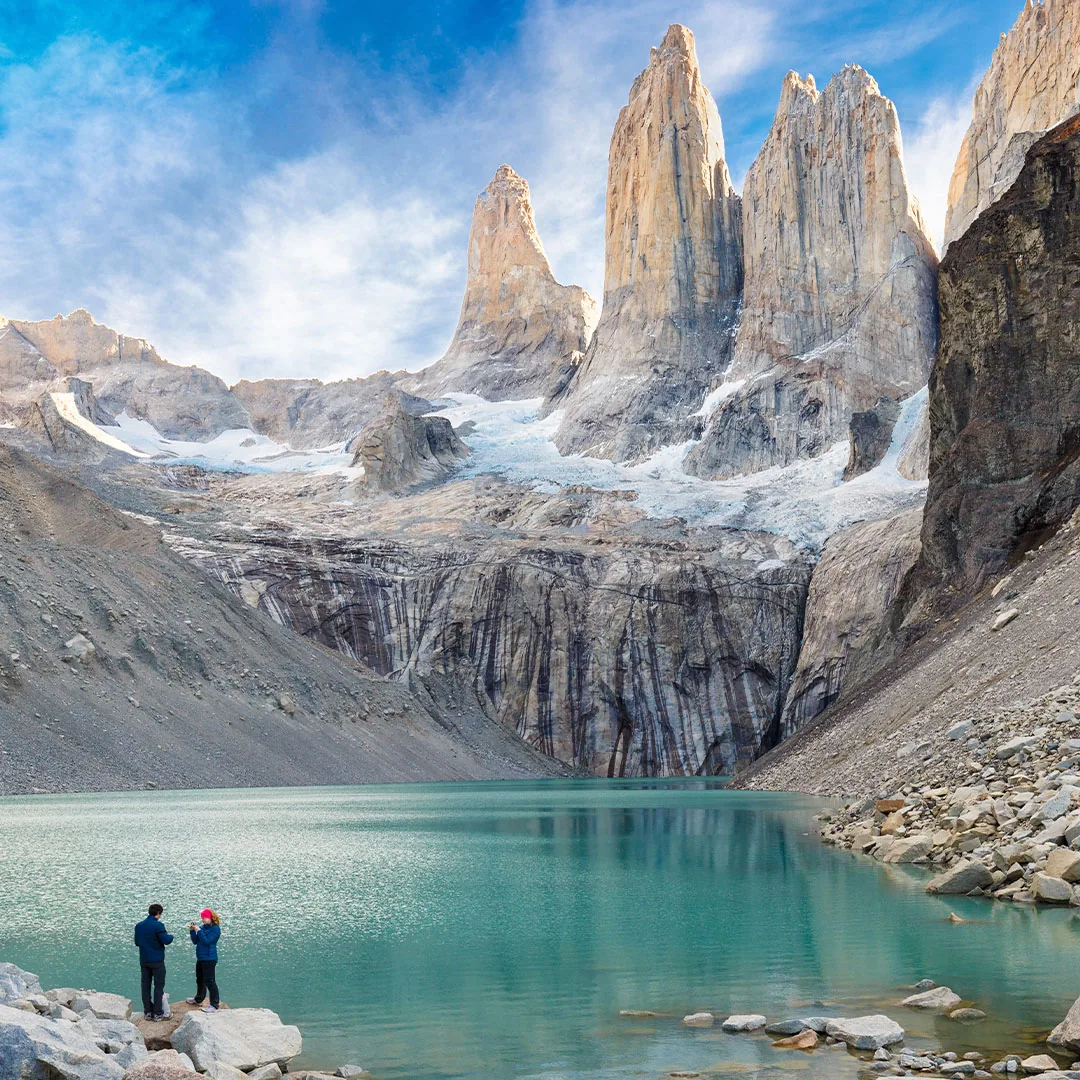
6-Day Puma Tracking in Torres del Paine
Embark on an extraordinary wildlife safari in Torres del Paine National Park, tracking wild pumas through the Patagonian steppe. Over six days, experience dawn patrols with expert trackers, observe guanacos, condors, and foxes, and witness the raw drama of predator and prey in one of the world's last great wildernesses.

Torres del Paine has become one of the premier destinations on Earth for observing wild pumas in their natural habitat. The park's healthy population of these magnificent big cats, combined with the open terrain that allows for relatively easy sighting, has made puma tracking a bucket-list experience for wildlife enthusiasts worldwide. This 6-day itinerary combines dedicated puma tracking sessions with expert local guides alongside the park's other incredible wildlife and scenery.
The key to successful puma tracking is working with experienced local guides who know the cats individually and understand their territories and habits. Most sightings occur during the golden hours around dawn and dusk when pumas are most active, hunting guanacos on the open steppe. Your rental car serves as a mobile safari vehicle, and much of the tracking is done from the vehicle or on short walks over easy terrain. This is not a hiking-intensive trip — the focus is patience, observation, and being in the right place at the right time.
Best Season
April to September for highest puma sighting success. Winter months offer concentrated wildlife and dramatic light. Summer visits are viable but require more patience due to longer grass and dispersed herds.
Day-by-Day Itinerary
Arrival in Puerto Natales
Arrive at Punta Arenas Airport (PUQ) and pick up your rental car for the scenic 3-hour drive north to Puerto Natales, the gateway to Torres del Paine. Check into your hotel and meet your puma tracking guide for a briefing on the days ahead. Your guide will explain puma behavior, tracking techniques, and what to expect. Spend the afternoon exploring Puerto Natales, picking up any last-minute supplies, and adjusting to the Patagonian time zone. An early night is essential, as puma tracking requires predawn departures.
First Puma Tracking Session
Depart Puerto Natales in the predawn darkness, arriving at Torres del Paine as the first light paints the mountains. Your guide will lead you to known puma territories, often in the Laguna Amarga sector or the Sierra del Toro area on the park's eastern edge. Puma tracking involves a combination of driving slowly along gravel roads, scanning ridgelines with binoculars, and short walks to vantage points. Your guide communicates with other trackers in the area, increasing the chances of locating a cat. When a puma is spotted, the experience is electric — watching a wild big cat moving through the golden steppe with granite towers as a backdrop is unforgettable.
Full Day Puma Tracking & Condor Watching
A full dedicated day of wildlife observation. Begin again before dawn, targeting a different sector of the park from yesterday. Your guide may take you to the Lago Sarmiento area or the Guardas Viejas sector, depending on recent sightings. Between puma tracking sessions, spend time observing the park's other wildlife stars. The Andean condor soars on thermals above the granite peaks — look for them near cliff faces where they roost. Herds of guanacos are everywhere, and watching their alarm behavior is often the first clue that a puma is nearby. Patagonian foxes, armadillos, and various raptors round out an incredible wildlife day.
Puma Tracking & Paine Massif Exploration
Combine a morning puma tracking session with afternoon exploration of Torres del Paine's iconic scenery. After the dawn patrol, drive deeper into the park to visit the Salto Grande waterfall, where water thunders between Lago Nordenskjöld and Lago Pehoé. Continue to the Mirador Cuernos viewpoint for stunning vistas of the horned peaks. In the late afternoon, return to puma territory for the golden hour, when cats often emerge for their evening hunt. The combination of world-class wildlife and world-class scenery is what makes Torres del Paine truly exceptional.
Final Tracking Session & Lago Grey
Your final full day in the park begins with one more dawn tracking session. With several days of experience, you will have developed an eye for reading the landscape and spotting signs of puma presence. After the morning session, drive west to Lago Grey for views of the glacier and floating icebergs, a dramatic contrast to the steppe-like puma territory in the east. Enjoy a relaxed lunch at the Hostería Lago Grey before one final sunset tracking session. Share stories with your guide over a farewell dinner, celebrating the incredible wildlife encounters of the past few days.
Departure from Puerto Natales
After the intensity of the past few days, enjoy a relaxed morning in Puerto Natales. Browse the craft shops for Patagonian souvenirs, enjoy a final coffee overlooking the Última Esperanza Fjord, and reflect on your extraordinary wildlife encounters. Drive south to Punta Arenas Airport (PUQ) to return your rental car and catch your departure flight. You leave Patagonia with a deep appreciation for its most elusive resident and the wild landscapes that sustain it.
Trip Highlights
- ★Tracking wild pumas through the Patagonian steppe
- ★Watching Andean condors soar over granite peaks
- ★Guanaco herds with Torres del Paine as backdrop
- ★Glacier Grey and floating icebergs
- ★Golden hour wildlife photography
- ★Working with expert local tracking guides
- ★Salto Grande waterfall and Cuernos del Paine
Packing List
- Telephoto lens (300mm+ recommended, 500mm+ ideal)
- Binoculars (8x42 or 10x42)
- Neutral-colored clothing (khaki, olive, brown)
- Warm layers for predawn tracking
- Waterproof and windproof jacket
- Sturdy comfortable shoes
- Thermos for hot drinks during dawn sessions
- Camera bean bag or monopod for vehicle-based photography
- Extra camera batteries (cold drains them fast)
- Memory cards with ample storage
- Headlamp for predawn starts
- Hand warmers
Rent a Car in Patagonia
Browse Car RentalsPlan This Route
Use our interactive route planner to customize this itinerary with your own stops, dates, and preferences.
Open Route PlannerBudget Estimate (2 People)
| Accommodation | $500–$1,000 (5 nights in Puerto Natales/park lodges) |
| Food | $300–$500 |
| Activities | $1,200–$2,500 (4 days guided puma tracking, park entry) |
| Total | $2,520–$4,810 per person |
Cost Overview — Torres del Paine National Park
Daily Cost (USD)
Cost by Category
Trip Cost Estimate
Total for 6 days · Based on mid-range daily budget
Before You Go
- !Pre-booked puma tracking guide (essential — book 3-6 months ahead)
- !SUV rental reserved through PatagoniaHub
- !Telephoto camera lens for wildlife photography
- !Warm layered clothing for predawn excursions
- !Park entrance ticket purchased online
- !Travel insurance
Explore more: Torres Del Paine
🗺️ More Itineraries
📋 Practical Info for Torres Del Paine
Rent a Car in Patagonia
Explore this destination at your own pace. Find the perfect rental car for your Patagonia adventure.
Explore More
Discover more guides and resources for this destination
Destination Guide
Planning
Best Time to Visit
Best Time to Visit Torres del Paine National Park 2026 — Month-by-Month Guide
How to Get There
How to Get to Torres del Paine National Park 2026 — Flights, Driving & Transport
Budget Guide
Torres del Paine National Park on a Budget 2026 — Costs, Tips & Money-Saving Guide
Seasonal Guide
Autumn in Torres del Paine 2026 — Weather, Activities & Tips
Seasonal Guide
Spring in Torres del Paine 2026 — Weather, Activities & Tips
Seasonal Guide
Summer in Torres del Paine 2026 — Weather, Activities & Tips
Seasonal Guide
Winter in Torres del Paine 2026 — Weather, Activities & Tips
Travel Tips
Essential Travel Tips for Torres del Paine National Park (2026)
Where to Stay
Where to Stay in Torres del Paine National Park (2026) — Neighborhoods & Hotels
Weather & Climate
Torres del Paine National Park Weather Guide (2026) — Monthly Climate, Temperatures & Best Time
Adventures
Activities
Glacier Trekking in Torres del Paine 2026 — Best Spots, Tips & What to Expect
Activities
Hiking in Torres del Paine 2026 — Best Spots, Tips & What to Expect
Activities
Horse Riding in Torres del Paine 2026 — Best Spots, Tips & What to Expect
Activities
Photography in Torres del Paine 2026 — Best Spots, Tips & What to Expect
Camping Guide
Camping in Torres del Paine National Park 2026 — Campsites, Tips & Gear Guide
Day Trips
Best Day Trips from Torres del Paine National Park 2026 — Distances & Driving Guide
Hidden Gems
Hidden Gems in Torres del Paine National Park (2026) — Secret Spots & Local Tips
Family Guide
Family Travel Guide to Torres del Paine National Park (2026) — Kid-Friendly Tips
Hiking Trails
Hiking Trails in Torres del Paine National Park (2026) — Best Hikes, Difficulty & Maps
Culture & Nature
Food Guide
Food Guide: Torres del Paine National Park 2026 — Local Cuisine & Restaurants
Wildlife Guide
Where to See Andean condor in Torres del Paine 2026 — Guide & Best Spots
Wildlife Guide
Where to See Flamingo in Torres del Paine 2026 — Guide & Best Spots
Wildlife Guide
Where to See Foxes in Torres del Paine 2026 — Guide & Best Spots
Wildlife Guide
Where to See Guanaco in Torres del Paine 2026 — Guide & Best Spots
Wildlife Guide
Where to See Huemul Deer in Torres del Paine 2026 — Guide
Wildlife Guide
Where to See Pumas in Torres del Paine 2026 — Guide & Best Spots
Photography Spots
Best Photography Spots in Torres del Paine National Park 2026 — Locations & Tips
Road Trips
Car Rental
Car Rental in Torres del Paine National Park 2026 — Prices, Tips & Road Guide
Road Conditions
Road Conditions in Torres del Paine National Park (2026) — Driving Guide & Fuel Stations
Driving Routes
Driving from El Calafate to Torres del Paine 2026 — Road Guide, Distance & Tips
Driving Routes
Driving from Puerto Natales to Torres del Paine 2026 — Road Guide, Distance & Tips
Driving Routes
Driving from Punta Arenas to Torres del Paine 2026 — Road Guide, Distance & Tips
Compare
Destination Comparison
Best Hiking: Torres del Paine vs El Chaltén 2026 — Trail-by-Trail Comparison
Destination Comparison
Budget Patagonia: Chile vs Argentina 2026 — Where Your Money Goes Further
Destination Comparison
Camping vs Hotels in Patagonia 2026 — Which Accommodation Style Is Right for You?
Destination Comparison
Cerro Castillo National Park vs Torres del Paine 2026 — Which Is Better for You?
Destination Comparison
Chilean Patagonia vs Argentine Patagonia 2026 — Which Is Better for You?
Destination Comparison
El Calafate vs Torres del Paine 2026 — Which Is Better for You?
Destination Comparison
El Chaltén vs Torres del Paine 2026 — Which Is Better for You?
Destination Comparison
Northern Patagonia vs Southern Patagonia 2026 — Which Region Should You Visit?
Destination Comparison
Patagonia First-Time vs Returning Visitors 2026 — What to Do Each Time
Destination Comparison
Patagonia for Families vs Couples 2026 — Best Destinations by Travel Group
Destination Comparison
Patagonia in 1 Week vs 2 Weeks 2026 — How to Plan the Right Trip Length
Destination Comparison
Perito Moreno Glacier vs Grey Glacier (Torres del Paine) 2026 — Which Is Better for You?
Destination Comparison
Self-Drive vs Guided Tour in Patagonia 2026 — Which Travel Style Fits You?
Destination Comparison
Patagonia in Summer vs Patagonia in Winter 2026 — Which Is Better for You?
Destination Comparison
Torres del Paine vs Bariloche 2026 — Which Is Better for You?
Destination Comparison
Torres del Paine vs Los Glaciares (El Chaltén) 2026 — Which Is Better for You?
Destination Comparison
Torres del Paine vs Perito Moreno Glacier 2026 — Which Is Better for You?
Destination Comparison
Torres del Paine vs Tierra del Fuego 2026 — Which Is Better for You?
Destination Comparison
Ushuaia vs Torres del Paine 2026 — Which Is Better for You?
Destination Comparison
W Trek (Torres del Paine) vs O Circuit (Torres del Paine) 2026 — Which Is Better for You?
Explore More Guides
View all →3-Day Bariloche Lakes Circuit — Short Getaway Itinerary 2026
3-Day El Calafate Glacier Express — Complete Itinerary 2026
3-Day Marble Caves & General Carrera Lake Adventure — Complete Itinerary 2026
3-Day Punta Arenas to Tierra del Fuego Expedition — Complete Itinerary 2026
4-Day Penguin Safari Punta Arenas — Wildlife Itinerary 2026
4-Day Torres del Paine W-Trek — Complete Hiking Itinerary 2026
Frequently Asked Questions
What are the chances of actually seeing a puma?
With an experienced guide over 4 tracking sessions, success rates exceed 90% in peak season (April-September). In summer, rates drop to around 60-70%. The guides know individual cats and their territories, dramatically improving your odds.
Is puma tracking safe?
Yes, puma tracking is very safe when done with a licensed guide. Pumas are shy and avoid humans. Sightings typically occur at distances of 50-200 meters. Guides carry safety equipment and know how to manage encounters responsibly.
Do I need professional camera gear?
While a telephoto lens greatly enhances the experience, it is not mandatory. Many visitors enjoy puma sightings through binoculars. A 200-400mm zoom lens is sufficient for good photos. Guides can often position you for relatively close sightings.
Why do I need a rental car if I have a guide?
Your guide typically rides in your vehicle and directs the tracking from your car. Having your own PatagoniaHub rental gives you the flexibility to explore the park independently between guided sessions and handle your own transport logistics.
What other wildlife will I see?
Torres del Paine is rich in wildlife. Expect to see large herds of guanacos, Patagonian foxes, Andean condors, rheas (Darwin's ñandú), armadillos, hares, and numerous bird species. The park is a wildlife photographer's paradise.
How cold does it get during winter tracking?
Winter predawn temperatures in Torres del Paine can drop to -5°C to -10°C with wind chill. Proper layering with thermal base layers, insulating mid-layers, and a windproof shell is essential. Hand warmers make a big difference.