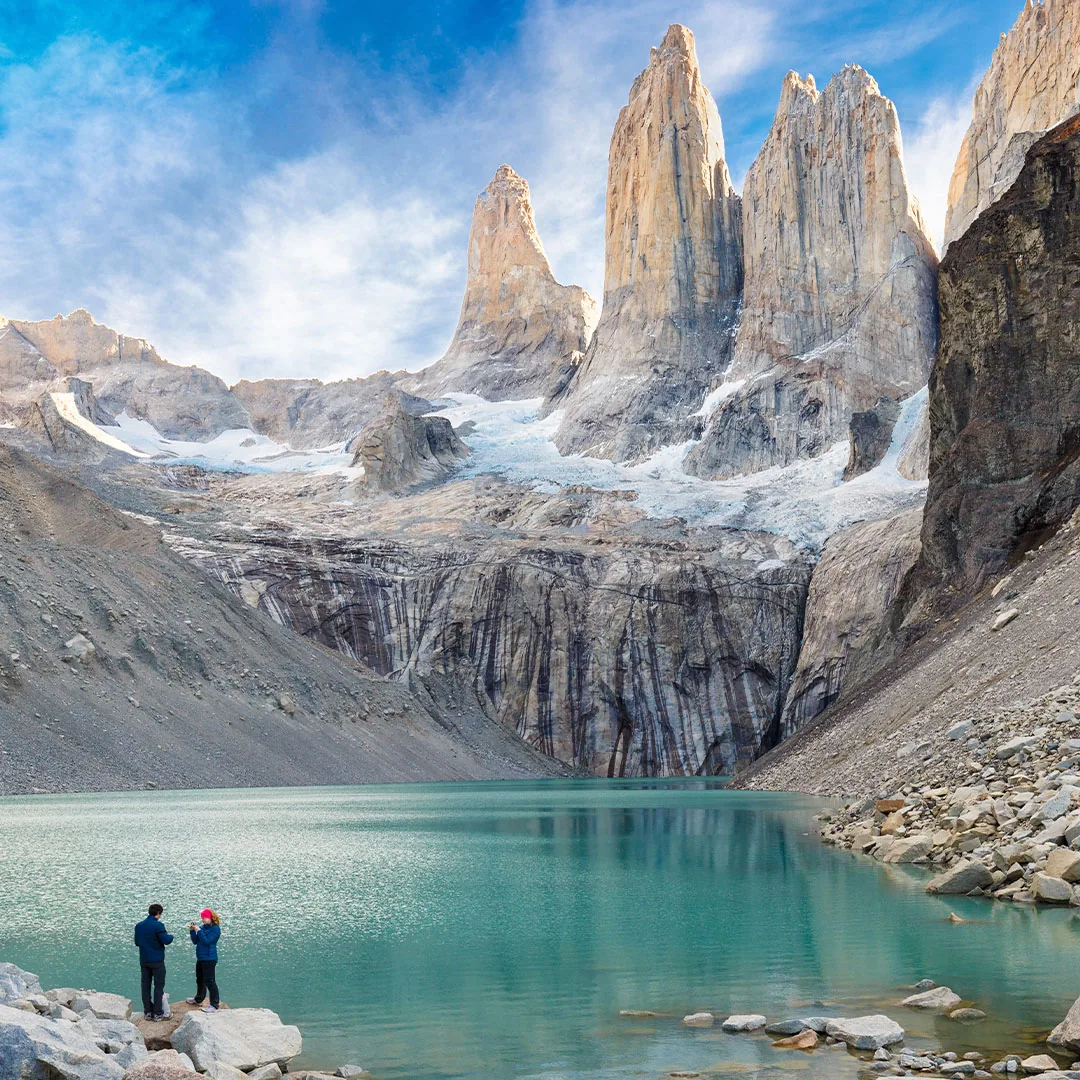
Photography — Torres del Paine National Park
Capture the unparalleled beauty of Torres del Paine. From iconic granite towers bathed in sunrise light to serene lake reflections and ancient glaciers, this guide helps photographers navigate Chile's most spectacular national park. Discover prime locations, essential gear, and tips for breathtaking shots.
Updated for 2025–2026 Season8 min read
Torres del Paine National Park in Chilean Patagonia is a dream destination for photographers worldwide, consistently ranked among the most photogenic places on Earth. Its dramatic landscapes, sculpted by glaciers and ancient geological forces, offer an endless array of compositions, from the towering granite spires of the Paine Massif to the vast Patagonian steppes, turquoise lakes, and shimmering ice fields. The park's diverse ecosystems also support a rich array of wildlife, including guanacos, rheas, condors, and the elusive puma, providing exceptional opportunities for nature and wildlife photography. The unique Patagonian light, often characterized by dramatic clouds and ever-changing weather patterns, adds incredible depth and mood to every shot. Whether you're chasing the golden hour glow on the famous 'Torres del Paine' themselves, capturing the surreal reflections in Lago Pehoé, or witnessing the majestic calving of Grey Glacier, every turn offers a new masterpiece waiting to be framed. A photography trip here is not just about taking pictures; it's about immersing yourself in one of the planet's wildest and most awe-inspiring canvases, where patience and readiness are rewarded with truly unforgettable images.
Experiences
Sunrise at Base Las Torres
challengingA challenging trek to witness the iconic granite towers illuminated by the first rays of dawn, turning them fiery red and orange. Requires an early start, often hiking in the dark.
Lago Pehoé & Mirador Salto Grande
easyCapture stunning reflections of the Cuernos del Paine in the turquoise waters of Lago Pehoé, often with dramatic cloud formations. Combine with a visit to Salto Grande waterfall for powerful landscape shots.
Grey Glacier Boat Tour
easyA boat excursion on Lago Grey to get up close to the magnificent Grey Glacier, photographing its immense blue ice walls, icebergs, and scale. Provides unique perspectives not available from land.
Mirador Cuernos from Nordenskjöld
easyPhotograph the distinctive 'Cuernos del Paine' (Horns of Paine) from the shores of Lago Nordenskjöld, especially captivating during golden hour with dramatic clouds or stormy skies.
Patagonian Wildlife Safari
moderateDedicate time to seeking out and photographing the park's diverse wildlife, including guanacos, rheas, Andean condors, foxes, and with luck, the elusive puma. This often involves driving along less-trafficked roads or joining specialized tours.
Gear Checklist
- ✓Digital SLR or Mirrorless Camera Body (weather-sealed recommended)
- ✓Wide-angle lens (14-24mm or similar for landscapes)
- ✓Telephoto zoom lens (70-200mm or 100-400mm for wildlife and distant peaks)
- ✓Sturdy Tripod (essential for low light, long exposures, and sharp landscapes in windy conditions)
- ✓Polarizing filter (to reduce glare on water and enhance skies)
- ✓Neutral Density (ND) filters (for long exposures, especially waterfalls and moving clouds)
- ✓Extra Batteries and Memory Cards (cold weather drains batteries faster)
- ✓Rain Cover for Camera and Lens / Dry Bags
- ✓Backpack with comfortable harness and rain cover
- ✓Warm, waterproof, and windproof clothing layers
Get There by Car
Browse Car RentalsBook Your Adventure
Most activities in Patagonia require your own transport. Rent a car and unlock every experience.
Browse Car RentalsCost Breakdown
| Tier | Price Range (USD) |
|---|---|
| Budget | USD 50-150 per day (Self-guided, park entrance, basic camping/hostel, bringing own food. Car rental extra.) |
| Mid-Range | USD 200-400 per day (Self-guided with comfortable cabin/refugio, some guided excursions, mid-range car rental, restaurant meals.) |
| Premium | USD 500-1500+ per day (Luxury hotel accommodation, private guided photography tours, all-inclusive options, high-end rental car.) |
Notes: Costs generally include park entrance fees (approx. USD 35 for foreigners, valid for 3 days), accommodation, food, and transport. Guided photography tours, boat trips (e.g., Grey Glacier: USD 100-150), and multi-day trekking permits add significant costs. Car rental (approx. USD 60-150/day) provides invaluable flexibility but adds to the budget. Fuel is also an important consideration.
Best Season
The best season for photography in Torres del Paine is during the shoulder seasons of spring (October-November) and autumn (April-early May). Spring offers longer daylight hours, blooming wildflowers, and vibrant greens, with fewer crowds than peak summer. Autumn provides incredible golden and fiery red foliage, particularly from the native Lenga trees, creating stunning contrasts against the granite peaks and turquoise waters, also with fewer visitors. Summer (December-March) has the most stable weather and longest days but is also the busiest and most expensive. Winter (June-September) presents snow-covered landscapes and absolute solitude but with very short days and extreme weather conditions.
Safety Notes
- !Unpredictable Weather: Patagonia's weather is notoriously fickle. Be prepared for sudden changes from sun to wind, rain, or even snow, regardless of the season. Dress in layers, carry waterproof gear, and always check forecasts.
- !Strong Winds: Extreme winds can be dangerous, making hiking difficult and potentially causing falls. Always maintain balance, especially near cliffs or exposed areas. Protect your gear from being blown away.
- !Wildlife Awareness: While generally not aggressive, maintain a safe distance from all wildlife, especially guanacos, foxes, and pumas. Never approach or feed animals. If you encounter a puma, make yourself look big and make noise.
- !Stay on Marked Trails: Venturing off-trail can lead to getting lost, damaging fragile ecosystems, or encountering unforeseen hazards like boggy terrain or sudden drops.
- !Hydration and Nutrition: Carry sufficient water and snacks, especially for longer hikes. Dehydration can impair judgment and physical performance.
Getting There
Torres del Paine National Park is primarily accessed via Puerto Natales, the closest major town, which is about a 2-hour drive from the park entrance. The most flexible and highly recommended way for photographers to explore Torres del Paine is by renting a car in Punta Arenas (the nearest international airport) or Puerto Natales. A rental car provides unparalleled freedom to chase the best light, arriving at viewpoints like Lago Pehoé or Mirador Nordenskjöld for golden hour before tour buses arrive. It also allows you to quickly adapt to the notoriously changeable Patagonian weather, moving to different locations as light and conditions evolve. Most roads within the park are gravel (ripio), so a 4x4 or a sturdy sedan with good ground clearance is advisable. Ensure your rental includes unlimited mileage and has the necessary insurance for gravel roads. Driving allows you to scout locations, return to favored spots, and gives you the autonomy essential for capturing those fleeting, perfect photographic moments.
Tips
- 1Embrace the Weather: Patagonian weather changes rapidly. Don't be discouraged by clouds or rain; they often create dramatic lighting and unique photo opportunities. Be prepared to shoot in all conditions.
- 2Chasing the Light: Prioritize sunrise and sunset. The golden and blue hours offer the most magical light for landscapes. Plan your location scouting the day before to be ready.
- 3Stability is Key: Strong winds are common. Use a heavy-duty tripod and consider weighting it with your backpack to ensure sharp images, especially for long exposures.
- 4Protect Your Gear: Invest in good rain covers for your camera and bag. Moisture, dust, and wind can be harsh on equipment.
- 5Look for Reflections: Lakes like Pehoé and Nordenskjöld offer incredible reflection opportunities, especially on calm mornings. Arrive early before the wind picks up.
- 6Patience with Wildlife: For wildlife photography, move slowly and quietly. Use a telephoto lens to maintain a respectful distance. Wait for natural behaviors rather than trying to provoke them.
- 7Explore Different Perspectives: Don't just shoot from the obvious viewpoints. Look for leading lines, foreground elements, and unique angles to make your compositions stand out.
- 8Respect Nature's Rules: Stay on marked trails, do not feed animals, and pack out everything you pack in. Preserve the pristine environment for future photographers.
Before you hit the trail: Torres del Paine National Park
🎯 More Activities
📋 Practical Info for Torres del Paine National Park
Get There by Car
Most activities in Torres del Paine National Park require your own vehicle
Explore Torres del Paine National Park
More guides for this destination
Explore More
Discover more guides and resources for this destination
Destination Guide
Planning
Best Time to Visit
Best Time to Visit Torres del Paine National Park 2026 — Month-by-Month Guide
How to Get There
How to Get to Torres del Paine National Park 2026 — Flights, Driving & Transport
Budget Guide
Torres del Paine National Park on a Budget 2026 — Costs, Tips & Money-Saving Guide
Seasonal Guide
Autumn in Torres del Paine 2026 — Weather, Activities & Tips
Seasonal Guide
Spring in Torres del Paine 2026 — Weather, Activities & Tips
Seasonal Guide
Summer in Torres del Paine 2026 — Weather, Activities & Tips
Seasonal Guide
Winter in Torres del Paine 2026 — Weather, Activities & Tips
Travel Tips
Essential Travel Tips for Torres del Paine National Park (2026)
Where to Stay
Where to Stay in Torres del Paine National Park (2026) — Neighborhoods & Hotels
Weather & Climate
Torres del Paine National Park Weather Guide (2026) — Monthly Climate, Temperatures & Best Time
Adventures
Camping Guide
Camping in Torres del Paine National Park 2026 — Campsites, Tips & Gear Guide
Day Trips
Best Day Trips from Torres del Paine National Park 2026 — Distances & Driving Guide
Hidden Gems
Hidden Gems in Torres del Paine National Park (2026) — Secret Spots & Local Tips
Family Guide
Family Travel Guide to Torres del Paine National Park (2026) — Kid-Friendly Tips
Hiking Trails
Hiking Trails in Torres del Paine National Park (2026) — Best Hikes, Difficulty & Maps
Culture & Nature
Food Guide
Food Guide: Torres del Paine National Park 2026 — Local Cuisine & Restaurants
Wildlife Guide
Where to See Andean condor in Torres del Paine 2026 — Guide & Best Spots
Wildlife Guide
Where to See Flamingo in Torres del Paine 2026 — Guide & Best Spots
Wildlife Guide
Where to See Foxes in Torres del Paine 2026 — Guide & Best Spots
Wildlife Guide
Where to See Guanaco in Torres del Paine 2026 — Guide & Best Spots
Wildlife Guide
Where to See Huemul Deer in Torres del Paine 2026 — Guide
Wildlife Guide
Where to See Pumas in Torres del Paine 2026 — Guide & Best Spots
Photography Spots
Best Photography Spots in Torres del Paine National Park 2026 — Locations & Tips
Road Trips
Car Rental
Car Rental in Torres del Paine National Park 2026 — Prices, Tips & Road Guide
Road Conditions
Road Conditions in Torres del Paine National Park (2026) — Driving Guide & Fuel Stations
Driving Routes
Driving from El Calafate to Torres del Paine 2026 — Road Guide, Distance & Tips
Driving Routes
Driving from Puerto Natales to Torres del Paine 2026 — Road Guide, Distance & Tips
Driving Routes
Driving from Punta Arenas to Torres del Paine 2026 — Road Guide, Distance & Tips
Road Trip Itineraries
14-Day Complete Patagonia Road Trip — Complete Itinerary 2026
Road Trip Itineraries
21-Day Patagonia Grand Tour — Complete Itinerary 2026
Road Trip Itineraries
4-Day Torres del Paine W-Trek — Complete Hiking Itinerary 2026
Road Trip Itineraries
6-Day Puma Tracking in Torres del Paine — Wildlife Safari 2026
Road Trip Itineraries
7-Day Photography Masterclass Patagonia — Photo Trip Itinerary 2026
Road Trip Itineraries
7-Day Torres del Paine & El Calafate Road Trip — Complete Itinerary 2026
Road Trip Itineraries
8-Day Torres del Paine & Ushuaia — Tierra del Fuego Itinerary 2026
Compare
Destination Comparison
Best Hiking: Torres del Paine vs El Chaltén 2026 — Trail-by-Trail Comparison
Destination Comparison
Budget Patagonia: Chile vs Argentina 2026 — Where Your Money Goes Further
Destination Comparison
Camping vs Hotels in Patagonia 2026 — Which Accommodation Style Is Right for You?
Destination Comparison
Cerro Castillo National Park vs Torres del Paine 2026 — Which Is Better for You?
Destination Comparison
Chilean Patagonia vs Argentine Patagonia 2026 — Which Is Better for You?
Destination Comparison
El Calafate vs Torres del Paine 2026 — Which Is Better for You?
Destination Comparison
El Chaltén vs Torres del Paine 2026 — Which Is Better for You?
Destination Comparison
Northern Patagonia vs Southern Patagonia 2026 — Which Region Should You Visit?
Destination Comparison
Patagonia First-Time vs Returning Visitors 2026 — What to Do Each Time
Destination Comparison
Patagonia for Families vs Couples 2026 — Best Destinations by Travel Group
Destination Comparison
Patagonia in 1 Week vs 2 Weeks 2026 — How to Plan the Right Trip Length
Destination Comparison
Perito Moreno Glacier vs Grey Glacier (Torres del Paine) 2026 — Which Is Better for You?
Destination Comparison
Self-Drive vs Guided Tour in Patagonia 2026 — Which Travel Style Fits You?
Destination Comparison
Patagonia in Summer vs Patagonia in Winter 2026 — Which Is Better for You?
Destination Comparison
Torres del Paine vs Bariloche 2026 — Which Is Better for You?
Destination Comparison
Torres del Paine vs Los Glaciares (El Chaltén) 2026 — Which Is Better for You?
Destination Comparison
Torres del Paine vs Perito Moreno Glacier 2026 — Which Is Better for You?
Destination Comparison
Torres del Paine vs Tierra del Fuego 2026 — Which Is Better for You?
Destination Comparison
Ushuaia vs Torres del Paine 2026 — Which Is Better for You?
Destination Comparison
W Trek (Torres del Paine) vs O Circuit (Torres del Paine) 2026 — Which Is Better for You?
Explore More Guides
View all →Boat Tours in El Calafate 2026 — Best Spots, Tips & What to Expect
Boat Tours in Perito Moreno Glacier 2026 — Best Spots, Tips & What to Expect
Boat Tours in Puerto Natales 2026 — Best Spots, Tips & What to Expect
Boat Tours in Ushuaia 2026 — Best Spots, Tips & What to Expect
Boat Tours in Villa La Angostura 2026 — Best Spots, Tips & What to Expect
Cycling in Carretera Austral 2026 — Best Spots, Tips & What to Expect
Frequently Asked Questions
Do I need a permit to take photos in Torres del Paine?
Standard park entrance tickets are required for all visitors. You do not need a special permit for personal photography, but commercial photography or drone usage may require prior authorization from CONAF (Chile's National Forest Corporation).
Are drones allowed in Torres del Paine National Park?
No, the use of drones is strictly prohibited within Torres del Paine National Park to protect wildlife, preserve the natural environment, and ensure visitor safety and privacy. Violations can result in significant fines.
What are the best lenses to bring for photography in Torres del Paine?
A wide-angle lens (14-24mm equivalent) is essential for grand landscapes. A mid-range zoom (24-70mm equivalent) is versatile, and a telephoto zoom (70-200mm or 100-400mm equivalent) is highly recommended for wildlife and compressing distant peaks.
How important is a tripod in Torres del Paine?
A sturdy tripod is absolutely crucial. Strong Patagonian winds, low-light conditions at sunrise/sunset, and the desire for long exposures (waterfalls, clouds) make it an indispensable piece of gear for sharp, high-quality images.
What's the best time of day to photograph the iconic Torres del Paine?
Sunrise is universally considered the best time. The granite spires catch the first light of dawn, often glowing in vivid reds and oranges. This requires a challenging hike in the dark to reach Base Las Torres viewpoint before sunrise.
How do I best protect my camera gear from the weather?
Carry a good quality waterproof camera bag, individual rain covers for your camera and lenses, and consider dry bags for extra protection. Be mindful of moisture when changing lenses, and use lens hoods to protect from spray and glare.
Can I photograph wildlife easily in the park?
Yes, Torres del Paine is rich in wildlife. Guanacos, foxes, rheas, and condors are frequently spotted. Pumas are more elusive but can be seen, especially at dawn or dusk. Always maintain a respectful distance and use a telephoto lens.
Is it safe to photograph alone at sunrise/sunset locations?
While the park is generally safe, hiking in the dark to remote viewpoints carries risks, especially due to weather and terrain. If hiking alone, inform someone of your plans, carry a headlamp, and consider joining a small group if available.