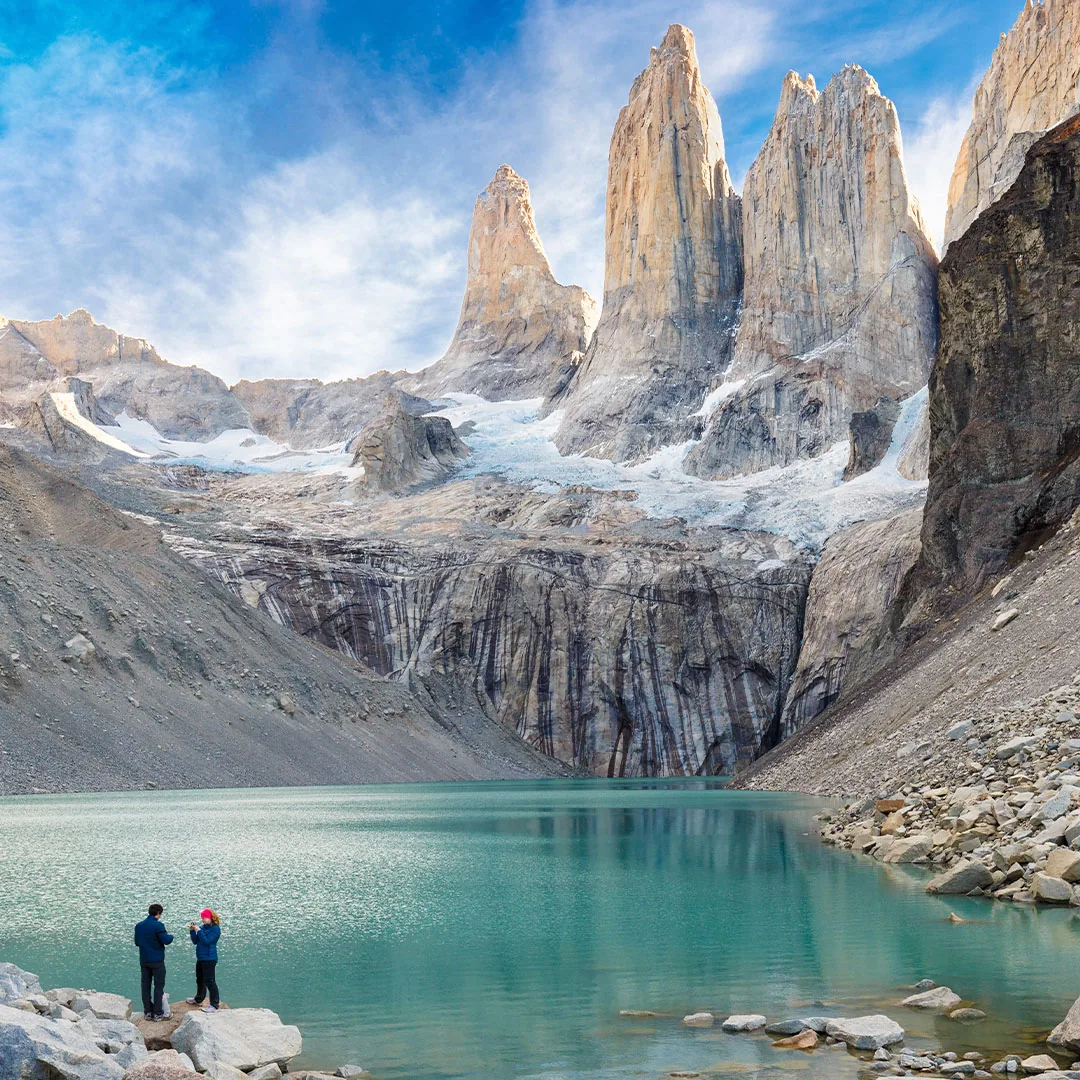
Hiking — Torres del Paine National Park
Embark on an unforgettable hiking adventure in Torres del Paine National Park, home to the iconic granite spires, glistening glaciers, and turquoise lakes of Patagonia. Explore world-renowned trails like the W Trek and O Circuit, offering unparalleled natural beauty and a challenging, rewarding experience for every trekking enthusiast.
Updated for 2025–2026 Season7 min read
Torres del Paine National Park in Chilean Patagonia is a hiker's paradise, globally renowned for its breathtaking landscapes and challenging, multi-day treks. This UNESCO Biosphere Reserve boasts dramatic granite peaks, massive glaciers, pristine turquoise lakes, and an incredible array of wildlife, including guanacos, foxes, and condors. It's a destination that consistently ranks among the world's best for outdoor adventure, drawing hikers from across the globe.
The park offers a diverse range of trails, from demanding multi-day circuits that circumnavigate the entire Paine Massif to iconic day hikes that lead to its most famous landmarks. The rugged terrain, unpredictable Patagonian weather, and sheer scale of the wilderness make hiking here an exhilarating, once-in-a-lifetime experience. Whether you're an experienced trekker seeking an epic challenge or an enthusiastic day-hiker wanting a taste of its legendary beauty, Torres del Paine delivers unforgettable moments around every bend.
Experiences
W Trek
moderateThe most famous multi-day trek in Torres del Paine, covering the three major valleys in a 'W' shape. Hikers typically complete this trek in 4-5 days, staying at refugios or campsites along the way, visiting Mirador Base Torres, Valle del Francés, and Grey Glacier.
O Circuit (Full Circuit)
challengingA complete circumnavigation of the Paine Massif, including the W Trek sections and the wilder, less-traveled backside. This challenging trek requires crossing the challenging John Gardner Pass and offers incredible views away from the main crowds.
Mirador Base Torres Day Hike
challengingA strenuous day hike to the iconic three granite towers. Starting from Refugio Las Torres, the trail ascends through the Ascencio Valley, passing a mountain hut and a moraine before reaching the breathtaking viewpoint.
Valle del Francés (French Valley) Trek
challengingPart of the W Trek, this section involves a challenging ascent into the French Valley, offering panoramic views of hanging glaciers, the Paine Grande massif, and a 'symphony' of crashing ice avalanches from Glaciar Francés.
Grey Glacier Viewpoint & Peninsula Hike
easyHike along the shores of Lago Grey to various viewpoints offering stunning perspectives of the massive Grey Glacier. Options include a relatively easy walk to a peninsula or longer treks along the W or O circuits for more expansive glacier views.
Gear Checklist
- ✓Layered clothing (base layer, fleece, waterproof/windproof shell)
- ✓Waterproof hiking boots (broken-in)
- ✓Backpack (30-40L for day hikes, 50-70L for multi-day treks)
- ✓Trekking poles
- ✓Water bottle or hydration reservoir (at least 2L capacity)
- ✓Sun hat, sunglasses, and high-SPF sunscreen
- ✓Warm hat and gloves
- ✓Headlamp with extra batteries
- ✓First-aid kit and personal medications
- ✓Map, compass, or GPS device
Get There by Car
Browse Car RentalsBook Your Adventure
Most activities in Patagonia require your own transport. Rent a car and unlock every experience.
Browse Car RentalsCost Breakdown
| Tier | Price Range (USD) |
|---|---|
| Budget | USD 50-100/day (camping, self-catering meals, park entrance, public bus transport) |
| Mid-Range | USD 150-300/day (refugios/domes, pre-booked meals, some organized transfers/ferries) |
| Premium | USD 400-800+/day (guided treks, full-service refugios/luxury lodges, all transfers, specialized gear rentals) |
Notes: Costs typically include park entrance fee (USD 35-49 depending on season/nationality, valid 3 days), accommodation (camping site, refugio bed, or hotel), and food. Extra costs include ferry crossings, bus transfers, and any guided tours or specialized equipment rentals.
Best Season
The best season for hiking in Torres del Paine is during the Patagonian summer, from October to April. During these months, daylight hours are long, temperatures are milder (though still variable), and most trails are fully accessible. December to February are peak months, offering the most stable weather but also higher crowds and prices. Shoulder seasons (October-November and March-April) can offer fewer crowds and stunning autumn colors, but with potentially more unpredictable weather conditions, including strong winds and colder temperatures.
Safety Notes
- !Unpredictable Weather: Patagonian winds can be extremely strong, and weather can change drastically within hours. Always check forecasts, carry appropriate gear, and be prepared to turn back if conditions become dangerous.
- !Stay on Marked Trails: Venturing off-trail can lead to getting lost, encountering dangerous terrain, or damaging fragile ecosystems. Follow park signage and heed ranger warnings.
- !Register Your Treks: For multi-day treks, it's mandatory to register your itinerary with CONAF (park rangers). This ensures someone knows your plan in case of an emergency. Carry a GPS or map and compass.
- !Wildlife Encounters: While generally shy, keep a respectful distance from wildlife like guanacos and foxes. Puma sightings are rare but possible; never approach them.
Getting There
To reach Torres del Paine, most travelers fly into Punta Arenas (PUQ) or, more conveniently, Puerto Natales (PNT) in Chile. From Puerto Natales, the park is approximately a 2-hour drive. Renting a car from either Punta Arenas or Puerto Natales is highly recommended for unparalleled flexibility. With your own vehicle, you can drive directly to various park entrances such as Laguna Amarga (for the W Trek/Base Torres), Sarmiento, or Río Serrano, bypassing reliance on potentially crowded and infrequent bus services. This allows you to set your own schedule, start hikes early to avoid crowds, and easily access different trailheads or viewpoints that are less accessible by public transport. Roads within the park are mostly gravel but generally well-maintained for conventional vehicles. Always check road conditions with CONAF, especially during shoulder seasons.
Tips
- 1Book Everything in Advance: Especially for the W and O treks, accommodation (campsites or refugios) and park entrance must be booked months ahead, particularly for peak season.
- 2Pack for All Seasons: Patagonia's weather is famously unpredictable. Be prepared for sun, rain, wind, and even snow in a single day, regardless of the season.
- 3Layer Your Clothing: The key to staying comfortable is layering. Start with a moisture-wicking base, add insulating layers, and top with a waterproof/windproof outer shell.
- 4Bring Trekking Poles: They are invaluable for navigating uneven terrain, ascents, descents, and protecting your knees, especially on longer treks.
- 5Leave No Trace: Carry out all your trash, stay on marked trails, and do not disturb wildlife. Help preserve this pristine environment.
- 6Start Early: Many popular trails, like the Base Torres hike, can get crowded. Starting early allows you to beat the rush and enjoy the solitude, and potentially catch a spectacular sunrise.
- 7Hydrate Constantly: Carry ample water, but also know that many streams in the park are safe to drink from directly, especially higher up on the trails, allowing for refill opportunities.
Before you hit the trail: Torres del Paine National Park
🎯 More Activities
📋 Practical Info for Torres del Paine National Park
Get There by Car
Most activities in Torres del Paine National Park require your own vehicle
Explore Torres del Paine National Park
More guides for this destination
Explore More
Discover more guides and resources for this destination
Destination Guide
Planning
Best Time to Visit
Best Time to Visit Torres del Paine National Park 2026 — Month-by-Month Guide
How to Get There
How to Get to Torres del Paine National Park 2026 — Flights, Driving & Transport
Budget Guide
Torres del Paine National Park on a Budget 2026 — Costs, Tips & Money-Saving Guide
Seasonal Guide
Autumn in Torres del Paine 2026 — Weather, Activities & Tips
Seasonal Guide
Spring in Torres del Paine 2026 — Weather, Activities & Tips
Seasonal Guide
Summer in Torres del Paine 2026 — Weather, Activities & Tips
Seasonal Guide
Winter in Torres del Paine 2026 — Weather, Activities & Tips
Travel Tips
Essential Travel Tips for Torres del Paine National Park (2026)
Where to Stay
Where to Stay in Torres del Paine National Park (2026) — Neighborhoods & Hotels
Weather & Climate
Torres del Paine National Park Weather Guide (2026) — Monthly Climate, Temperatures & Best Time
Adventures
Camping Guide
Camping in Torres del Paine National Park 2026 — Campsites, Tips & Gear Guide
Day Trips
Best Day Trips from Torres del Paine National Park 2026 — Distances & Driving Guide
Hidden Gems
Hidden Gems in Torres del Paine National Park (2026) — Secret Spots & Local Tips
Family Guide
Family Travel Guide to Torres del Paine National Park (2026) — Kid-Friendly Tips
Hiking Trails
Hiking Trails in Torres del Paine National Park (2026) — Best Hikes, Difficulty & Maps
Culture & Nature
Food Guide
Food Guide: Torres del Paine National Park 2026 — Local Cuisine & Restaurants
Wildlife Guide
Where to See Andean condor in Torres del Paine 2026 — Guide & Best Spots
Wildlife Guide
Where to See Flamingo in Torres del Paine 2026 — Guide & Best Spots
Wildlife Guide
Where to See Foxes in Torres del Paine 2026 — Guide & Best Spots
Wildlife Guide
Where to See Guanaco in Torres del Paine 2026 — Guide & Best Spots
Wildlife Guide
Where to See Huemul Deer in Torres del Paine 2026 — Guide
Wildlife Guide
Where to See Pumas in Torres del Paine 2026 — Guide & Best Spots
Photography Spots
Best Photography Spots in Torres del Paine National Park 2026 — Locations & Tips
Road Trips
Car Rental
Car Rental in Torres del Paine National Park 2026 — Prices, Tips & Road Guide
Road Conditions
Road Conditions in Torres del Paine National Park (2026) — Driving Guide & Fuel Stations
Driving Routes
Driving from El Calafate to Torres del Paine 2026 — Road Guide, Distance & Tips
Driving Routes
Driving from Puerto Natales to Torres del Paine 2026 — Road Guide, Distance & Tips
Driving Routes
Driving from Punta Arenas to Torres del Paine 2026 — Road Guide, Distance & Tips
Road Trip Itineraries
14-Day Complete Patagonia Road Trip — Complete Itinerary 2026
Road Trip Itineraries
21-Day Patagonia Grand Tour — Complete Itinerary 2026
Road Trip Itineraries
4-Day Torres del Paine W-Trek — Complete Hiking Itinerary 2026
Road Trip Itineraries
6-Day Puma Tracking in Torres del Paine — Wildlife Safari 2026
Road Trip Itineraries
7-Day Photography Masterclass Patagonia — Photo Trip Itinerary 2026
Road Trip Itineraries
7-Day Torres del Paine & El Calafate Road Trip — Complete Itinerary 2026
Road Trip Itineraries
8-Day Torres del Paine & Ushuaia — Tierra del Fuego Itinerary 2026
Compare
Destination Comparison
Best Hiking: Torres del Paine vs El Chaltén 2026 — Trail-by-Trail Comparison
Destination Comparison
Budget Patagonia: Chile vs Argentina 2026 — Where Your Money Goes Further
Destination Comparison
Camping vs Hotels in Patagonia 2026 — Which Accommodation Style Is Right for You?
Destination Comparison
Cerro Castillo National Park vs Torres del Paine 2026 — Which Is Better for You?
Destination Comparison
Chilean Patagonia vs Argentine Patagonia 2026 — Which Is Better for You?
Destination Comparison
El Calafate vs Torres del Paine 2026 — Which Is Better for You?
Destination Comparison
El Chaltén vs Torres del Paine 2026 — Which Is Better for You?
Destination Comparison
Northern Patagonia vs Southern Patagonia 2026 — Which Region Should You Visit?
Destination Comparison
Patagonia First-Time vs Returning Visitors 2026 — What to Do Each Time
Destination Comparison
Patagonia for Families vs Couples 2026 — Best Destinations by Travel Group
Destination Comparison
Patagonia in 1 Week vs 2 Weeks 2026 — How to Plan the Right Trip Length
Destination Comparison
Perito Moreno Glacier vs Grey Glacier (Torres del Paine) 2026 — Which Is Better for You?
Destination Comparison
Self-Drive vs Guided Tour in Patagonia 2026 — Which Travel Style Fits You?
Destination Comparison
Patagonia in Summer vs Patagonia in Winter 2026 — Which Is Better for You?
Destination Comparison
Torres del Paine vs Bariloche 2026 — Which Is Better for You?
Destination Comparison
Torres del Paine vs Los Glaciares (El Chaltén) 2026 — Which Is Better for You?
Destination Comparison
Torres del Paine vs Perito Moreno Glacier 2026 — Which Is Better for You?
Destination Comparison
Torres del Paine vs Tierra del Fuego 2026 — Which Is Better for You?
Destination Comparison
Ushuaia vs Torres del Paine 2026 — Which Is Better for You?
Destination Comparison
W Trek (Torres del Paine) vs O Circuit (Torres del Paine) 2026 — Which Is Better for You?
Explore More Guides
View all →Boat Tours in El Calafate 2026 — Best Spots, Tips & What to Expect
Boat Tours in Perito Moreno Glacier 2026 — Best Spots, Tips & What to Expect
Boat Tours in Puerto Natales 2026 — Best Spots, Tips & What to Expect
Boat Tours in Ushuaia 2026 — Best Spots, Tips & What to Expect
Boat Tours in Villa La Angostura 2026 — Best Spots, Tips & What to Expect
Cycling in Carretera Austral 2026 — Best Spots, Tips & What to Expect
Frequently Asked Questions
Do I need to book my treks in advance?
Absolutely. Booking refugios, campsites, and park entrance fees is mandatory, especially for the W and O treks. During peak season (Dec-Feb), accommodations can be fully booked months in advance.
What is the best time of year to hike in Torres del Paine?
The Patagonian summer (October to April) offers the best weather and longest daylight hours. December to February is peak season, while shoulder months (Oct-Nov, Mar-Apr) offer fewer crowds but more unpredictable weather.
Is a guide necessary for hiking in Torres del Paine?
For the W and O treks, a guide is not strictly necessary for experienced hikers, as trails are well-marked. However, a guide can enhance the experience with local knowledge, ensure safety, and handle logistics. For less experienced hikers or specific off-trail excursions, a guide is recommended.
How fit do I need to be for the W or O trek?
Both treks require a good to excellent level of physical fitness. You should be comfortable hiking long distances (15-30 km/day) with a backpack, including significant elevation changes. Regular training and cardio before your trip are highly advisable.
Can I drink the water in Torres del Paine?
Yes, water from streams and rivers in Torres del Paine is generally safe to drink, especially at higher altitudes. However, it's always wise to filter or purify water if you have a sensitive stomach or are unsure about the source.
What kind of wildlife can I expect to see?
Torres del Paine is home to diverse wildlife, including guanacos (llama-like animals), foxes, ñandús (rhea), and various bird species like condors and eagles. Puma sightings are rare but do occur.
Are there restrooms along the trails?
Designated restrooms are available at refugios and established campsites. On longer sections of trail between these points, facilities are scarce. Hikers are expected to practice Leave No Trace principles for human waste if no facilities are present.