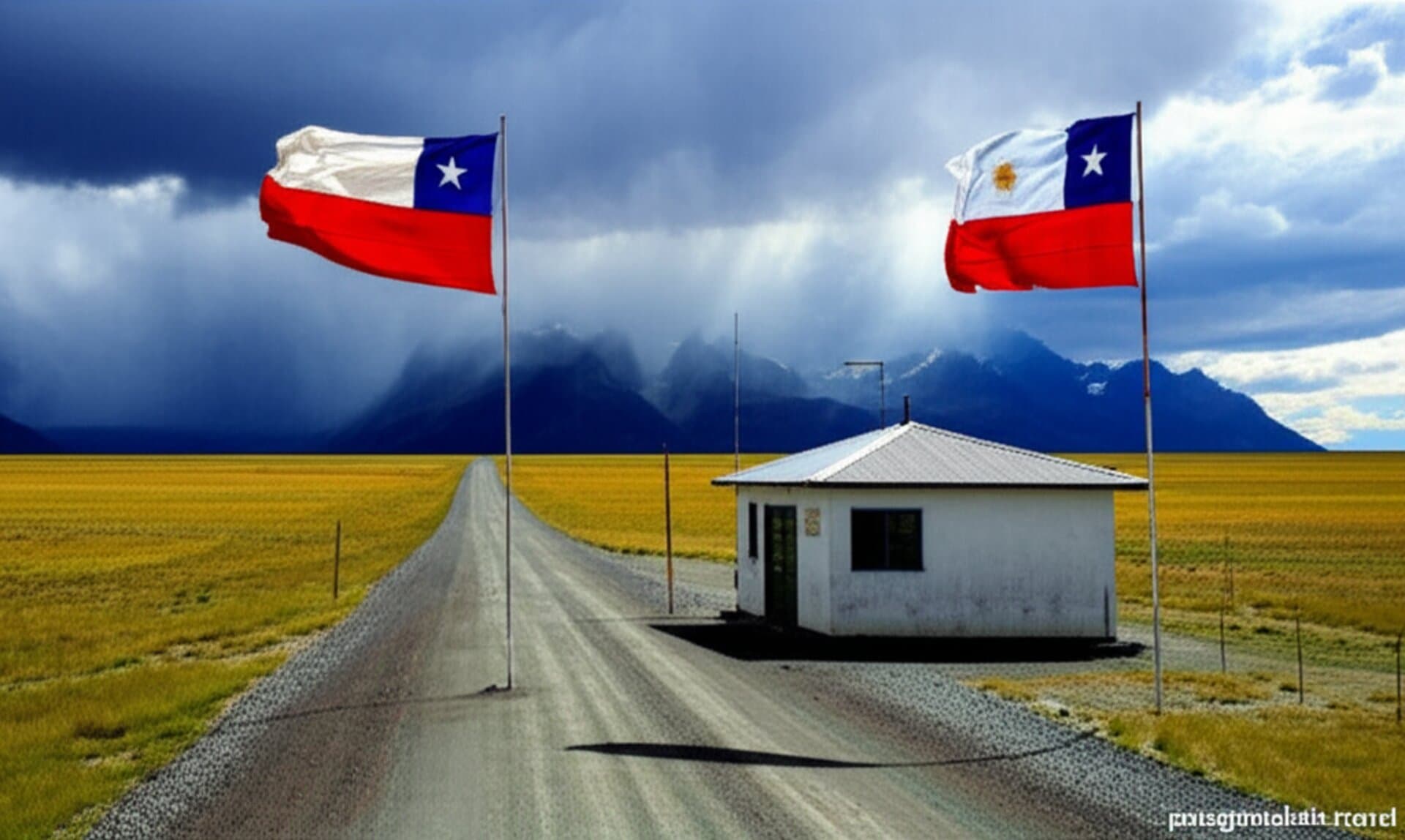
Paso Dorotea Border Crossing: Puerto Natales to Argentina Route Guide
Complete guide to crossing the Chile-Argentina border at Paso Dorotea from Puerto Natales. GPS coordinates, operating hours, step-by-step procedures, road conditions, fuel stops, and when to choose Dorotea over Cancha Carrera crossing.

Paso Dorotea (officially Complejo Fronterizo Dorotea-Laurita) is one of two main border crossings connecting Puerto Natales, Chile to Argentina. While less known than the busier Cancha Carrera crossing, Dorotea handles approximately 39% of regional border entries and serves as a strategic route for travelers heading to Río Turbio, Río Gallegos, or exploring Argentina's legendary Ruta 40.
Located just 15 kilometers northeast of Puerto Natales, this crossing offers a quieter alternative during peak tourist season, with shorter wait times and a more remote, authentic Patagonian border experience. The crossing connects Chile's Y-290 route to Argentina's Provincial Route 7, ultimately linking to Ruta 40 - the spine of Argentine Patagonia.
When to Choose Dorotea
Choose Paso Dorotea over Cancha Carrera if you are:
- Traveling to Río Turbio, Río Gallegos, or northbound on Ruta 40
- Seeking less traffic and shorter wait times (especially January-February)
- Exploring the scenic estancia landscapes of southern Patagonia
- Heading to Ushuaia via Argentina's Route 3
For general border crossing procedures, required documentation, food restrictions, and insurance requirements, see our complete Chile-Argentina border crossing guide.
GPS Coordinates & Official Details
- Coordinates: -51.5833°S, -72.4167°W
- Official Name: Complejo Fronterizo Dorotea-Laurita
- Chile Side: Dorotea checkpoint
- Argentina Side: Laurita checkpoint
- Elevation: Approximately 100 meters (mostly flat terrain)
- Distance from Puerto Natales: 15 km northeast
How to Reach Paso Dorotea
From Puerto Natales:
- Head north on Ruta 9 (paved main highway)
- After approximately 10 km, turn right (east) onto Y-290
- Continue 5 km on gravel road to Chile border checkpoint
- GPS navigation recommended - limited signage after turning onto Y-290
Road Surface:
- First 10 km (Ruta 9): Fully paved, excellent condition
- Last 5 km (Y-290): Well-maintained gravel, suitable for 2WD in summer
- 4WD recommended during winter months (June-August) due to potential snow/ice
The approach offers expansive views of Patagonian steppe, grazing sheep estancias, and distant mountain ranges. Wildlife sightings (guanacos, foxes, condors) are common, especially during early morning hours.
Current Operating Schedule (2026)
Summer Season (December 1 - February 28):
- Daily: 8:00 AM - 10:00 PM
- Extended hours for peak tourist season
- Busiest period: January 5-25 (Argentine summer holidays)
Shoulder Season (March 1 - April 30, September 1 - November 30):
- Daily: 8:00 AM - 8:00 PM
- Moderate traffic, excellent crossing times
Winter Season (May 1 - August 31):
- Daily: 8:00 AM - 6:00 PM
- Reduced hours but operates year-round
- Check weather conditions before traveling
Important Notes:
- Unlike some remote Patagonian crossings, Paso Dorotea NEVER closes completely
- Hours can change due to severe weather (winter storms)
- Holiday schedules may vary (Christmas, New Year's, national holidays)
- Always verify current hours before traveling: Paso a Paso Chile
The crossing operates with consistent staffing year-round, though you may encounter single-officer shifts during winter low season, which can slightly extend processing times.
Step 1: Chile Exit at Dorotea Checkpoint
- Approach the Chilean border post - Slow down as you near the small blue-and-white building
- Join the vehicle queue - Usually only 0-3 cars ahead during off-peak times
- Stop at immigration window - Turn off engine, present passports for all passengers
- Exit stamp processing - Officer stamps passports and logs departure (2-5 minutes)
- Proceed to SAG (agricultural inspection) - 20 meters ahead at separate building
Step 2: Chilean Agricultural Inspection (SAG)
Critical step - DO NOT skip or rush through:
- Declare all food items honestly - Officers appreciate transparency
- Disposal bins provided - Located outside SAG building for prohibited items (fresh fruits, vegetables, meats, dairy)
- Vehicle trunk inspection - Officers may ask you to open trunk/cargo area
- Occasional X-ray screening - Some vehicles randomly selected during peak season
- Clearance receipt - Keep this document until after Argentina entry
Average time: 10-15 minutes (longer if prohibited items found)
Pro tip: Empty your cooler in Puerto Natales before departing. SAG officers at Dorotea are thorough but generally faster than Cancha Carrera due to lower traffic volume.
Step 3: No Man's Land
After clearing Chilean checkpoints, you enter approximately 8 kilometers of no man's land before reaching Argentina.
Important details:
- Gravel road, decent condition (maintained regularly)
- No stopping allowed in this zone
- Watch for livestock (sheep, cattle) - fences are imperfect
- Drive at moderate speed (40-60 km/h) - wildlife crossings common
- No mobile phone signal in this section
Step 4: Argentina Entry at Laurita Checkpoint
- Stop at Argentine immigration - Present passports
- Entry interview - Officer asks purpose of visit, duration, destinations
- Entry stamps issued - Typically quick (3-5 minutes)
- Proceed to customs/vehicle inspection - Follow signs to next building (50 meters ahead)
Step 5: Argentine Customs & Vehicle Documentation
Required documents to present:
- Rental car contract
- Notarized authorization letter (Poder Notarial) - see border crossing permit guide
- Vehicle registration (Padrón)
- Proof of insurance valid in Argentina
- Passports
Process:
- Officer reviews all vehicle documentation (5-10 minutes)
- May inspect vehicle interior (random checks)
- Issues CDI (temporary vehicle import permit) - CRITICAL DOCUMENT
- Explains CDI must be returned when exiting Argentina
CDI Document Importance:
The Argentine CDI is your vehicle's legal entry permit. Store it with your vehicle registration in the glove compartment. You cannot exit Argentina without returning this document. Losing it requires filing police reports and delays of 1-3 days.
Total Crossing Time: Chile to Argentina
- Off-peak (shoulder/winter): 20-40 minutes
- Moderate traffic (summer weekdays): 40-60 minutes
- Peak traffic (summer weekends): 60-90 minutes
- Significantly faster than Cancha Carrera on busy summer days
Step 1: Argentina Exit at Laurita
- Return vehicle CDI document - This is mandatory; have it ready
- Present passports at immigration
- Exit stamps issued - Officer logs departure
- Customs declaration - Less rigorous than Chile entry, but declare everything
- Clearance to depart - Proceed through no man's land
Average time: 10-15 minutes
Step 2: No Man's Land (Argentina to Chile)
Same 8-kilometer stretch, traveled in reverse. Expect similar conditions and wildlife presence.
Step 3: Chile Entry at Dorotea
This is the STRICTER crossing direction due to Chile's biosecurity laws.
- Stop at Chilean immigration - Present passports
- Entry stamps and brief interview - Where are you coming from, duration in Chile
- Proceed immediately to SAG agricultural inspection - This is more thorough than exiting Chile
Step 4: Chilean Agricultural Inspection (Entering Chile)
Chile has among the strictest agricultural biosecurity rules globally:
- Full vehicle inspection - Officers will thoroughly check trunk, cabin, coolers
- Sniffer dogs frequently deployed - Trained to detect fruits, meats, dairy
- X-ray screening common - Especially for vehicles with camping equipment
- Zero tolerance for prohibited items - Fresh produce, meats, dairy, honey, seeds ALL confiscated
- Fines for undeclared items - $200-$500 USD for first offense
Items that surprise travelers:
- Salami and cured meats (even vacuum-sealed) - PROHIBITED
- Honey - PROHIBITED
- Fresh cheese - PROHIBITED
- Apples "for the road" - PROHIBITED
- Homemade empanadas - PROHIBITED
What you CAN bring:
- Commercially packaged snacks (chips, cookies) in sealed bags
- Canned goods (unopened)
- Dried pasta in original packaging
- Bottled water, soft drinks
- Chocolate and candy (packaged)
For complete prohibited items list, see the food restrictions section in our hub guide.
Average time entering Chile: 15-25 minutes (longer if items need confiscation)
Total Crossing Time: Argentina to Chile
- Off-peak: 25-45 minutes
- Summer weekdays: 45-75 minutes
- Summer weekends: 60-120 minutes
Tip: Budget extra time when entering Chile due to agricultural inspection rigor.
Both crossings serve Puerto Natales, but they suit different routes and traveler priorities.
Choose Paso Dorotea If:
Route-based reasons:
- Heading to Río Turbio - Dorotea is closer and more direct
- Traveling to Río Gallegos - Dorotea → Río Turbio → RN40 south is the logical route
- Exploring Ruta 40 northbound - Direct connection via Río Turbio
- Going to Ushuaia - Río Turbio connects to RN40 south → RN3 to Ushuaia
Traffic-based reasons:
- Crossing in January - Dorotea handles 39% of entries vs. Cancha Carrera's 61%, meaning shorter lines
- Summer weekends - Significantly less congestion than Cancha Carrera
- Prefer quieter experience - Fewer tour buses, more authentic border crossing feel
Scenery preferences:
- Enjoy remote landscapes - Approach through scenic estancias and open steppe
- Wildlife watching - Higher probability of guanaco/fox sightings on approach roads
Choose Cancha Carrera (Paso Integración Austral) If:
Route-based reasons:
- Direct to El Calafate - Cancha Carrera saves 30-45 minutes vs. Dorotea route
- Touring Perito Moreno Glacier - Straight shot via El Calafate
Amenities-based reasons:
- Want duty-free shopping - Cancha Carrera has duty-free store (Dorotea has none)
- Need café/food - Cancha Carrera has small café (Dorotea has no services)
- Require currency exchange - Cancha Carrera has exchange desk (limited hours)
Road conditions:
- Winter travel - Cancha Carrera road is slightly better maintained November-March
- Prefer more pavement - Cancha Carrera has longer paved sections
For detailed information on Cancha Carrera, see our Cancha Carrera border crossing guide.
Chile Side: Puerto Natales to Dorotea Border (15 km)
Ruta 9 Section (0-10 km):
- Surface: Fully paved asphalt
- Condition: Excellent, well-maintained
- Width: Standard two-lane highway
- Suitable for: All vehicles
- Speed limit: 100 km/h (62 mph)
- Scenery: Open steppe, distant mountain views, occasional estancias
Y-290 Section (10-15 km):
- Surface: Gravel (ripio)
- Condition: Generally good, graded regularly (monthly in summer)
- Width: Single lane with passing zones every 500m
- Suitable for: 2WD in dry conditions, 4WD recommended in winter
- Speed limit: 60 km/h (37 mph) recommended
- Maintenance: Chilean Vialidad maintains adequately but less frequently than main routes
Seasonal considerations:
- Summer (Dec-Feb): Excellent condition, occasional washboard surface
- Shoulder (Mar-Apr, Sep-Nov): Good condition, mud possible after rain
- Winter (May-Aug): Snow/ice likely, 4WD strongly recommended, check conditions before departure
Argentina Side: Dorotea to Río Turbio (35 km)
Ruta Provincial 7 (0-20 km from border):
- Surface: Gravel (ripio)
- Condition: Fair to good, varies after rainfall
- Width: Single lane, passing difficult
- Suitable for: High-clearance vehicles recommended, 4WD preferred
- Challenges: Can deteriorate quickly after rain, potholes common
- Maintenance: Less frequent than Chilean side (quarterly grading)
After rain: Road becomes muddy and slippery. Standard 2WD sedans may struggle. Wait 24 hours after heavy rain if possible.
Connecting Roads (20-35 km):
- RP5 junction: Improved gravel, better maintained
- Final approach to Río Turbio: Mixed gravel/pavement
- Entering Río Turbio: Paved streets
Total travel time Dorotea border to Río Turbio: 45-60 minutes (weather dependent)
Wildlife & Road Hazards
Common wildlife on roads:
- Guanacos - Most common, especially dawn/dusk, travel in groups of 5-20
- Gray foxes - Nocturnal, rarely seen during day
- Sheep - Frequently cross roads near estancias, poor fencing
- Lesser rheas (choiques) - Large flightless birds, unpredictable movements
- Hares - European hares introduced, abundant, cross roads suddenly
Safety tips:
- Drive at moderate speeds (60-80 km/h) on gravel sections
- Scan roadsides continuously for wildlife
- Highest risk periods: Dawn (6-8 AM), dusk (6-8 PM)
- Slow down when approaching guanaco groups - they may run across road
- Livestock have right-of-way legally in rural Patagonia
Chile Side (Dorotea Checkpoint)
Infrastructure:
- Small border post building (single-story, blue and white)
- Basic restrooms (pit toilets, no running water in winter)
- Parking area for 8-10 vehicles
- Covered area for inspections
Services:
- ❌ No fuel station
- ❌ No food/café
- ❌ No shops or duty-free
- ❌ No ATM or currency exchange
- ❌ No mechanical services
- ✅ Restrooms (basic)
- ✅ Waste disposal bins (for food items)
Mobile Coverage:
- Movistar Chile: Intermittent signal (1-2 bars)
- Entel Chile: No signal
- Claro Chile: No signal
- Recommend downloading offline maps before crossing
Argentina Side (Laurita Checkpoint)
Infrastructure:
- Basic border post building
- Minimal facilities
Services:
- ❌ No fuel
- ❌ No food services
- ❌ No shops
- ✅ Basic restrooms
Mobile Coverage:
- Personal Argentina: Weak signal (1 bar)
- Movistar Argentina: Occasionally available near building
- Claro Argentina: No signal
Nearest services: Río Turbio (35 km into Argentina)
Critical Fuel Planning
There are NO fuel stations at Paso Dorotea or within 15-35 km on either side. Proper fuel planning is mandatory.
Chile Side: Puerto Natales (15 km from border)
Available stations (all located on Avenida Baquedano):
-
Copec Puerto Natales
- Address: Baquedano 933
- Hours: 8:00 AM - 11:00 PM daily
- Fuel types: Diesel, Premium 95, Regular 93
- Payment: Cash (CLP), credit cards
- Amenities: Convenience store, restrooms, air pump
-
Shell Puerto Natales
- Address: Baquedano 1150
- Hours: 24 hours daily
- Fuel types: Diesel, V-Power 97, Regular 93
- Payment: Cash (CLP), credit cards
- Amenities: 24-hour convenience store, good coffee
-
Petrobras Puerto Natales
- Address: Bernardo O'Higgins 602
- Hours: 7:00 AM - 10:00 PM daily
- Fuel types: Diesel, Premium 95, Regular 93
- Payment: Cash (CLP), credit cards
Fuel prices in Puerto Natales (January 2026):
- Diesel:
950 CLP/liter ($1.05 USD/liter) - Premium 95:
1,100 CLP/liter ($1.20 USD/liter) - Regular 93:
1,000 CLP/liter ($1.10 USD/liter)
Recommendation: ALWAYS fill completely before departing Puerto Natales for Dorotea crossing.
Argentina Side: Río Turbio (35 km from border)
YPF Río Turbio
- Location: Avenida de los Mineros (main street entering town)
- Distance from border: 35 km (45-60 min drive)
- Hours: 7:00 AM - 10:00 PM daily (reduced hours Sunday)
- Fuel types: Diesel, Súper 95, Regular 93
- Payment: Cash (Argentine pesos), USD accepted, credit cards
- Amenities: Small shop, restrooms, air pump
Fuel prices in Río Turbio (January 2026):
- Diesel:
400 ARS/liter ($0.85 USD/liter) - Súper 95:
450 ARS/liter ($0.95 USD/liter) - Regular 93:
420 ARS/liter ($0.90 USD/liter)
Argentine fuel is typically 15-25% cheaper than Chilean fuel. However, don't rely on this - always cross with sufficient fuel.
Fuel Range Planning
Distances from Dorotea:
- Dorotea to Río Turbio (Argentina): 35 km
- Dorotea to Puerto Natales (Chile): 15 km
- Río Turbio to El Calafate: 220 km
- Río Turbio to Río Gallegos: 250 km
Recommended strategy:
- Fill up in Puerto Natales before crossing
- Top off in Río Turbio (cheaper fuel)
- Carry 10-20 liter fuel reserve if traveling remote routes beyond Río Turbio
For comprehensive fuel planning, see our fuel prices and stations guide.
Paso Dorotea serves as a gateway to Argentina's legendary Ruta 40, the longest highway in Argentina running along the Andes spine.
Dorotea to Ruta 40 Junction
Route:
- Cross border at Dorotea/Laurita
- Follow RP7 east toward Río Turbio (35 km)
- In Río Turbio, follow signs to RN40 (Ruta Nacional 40)
- Junction with RN40 is 15 km north of Río Turbio
Total distance Dorotea to RN40: 50 km Estimated time: 1-1.5 hours (depending on RP7 road conditions)
Major Destinations from Dorotea via Ruta 40
Northbound on RN40 (toward El Calafate):
- El Calafate: 220 km north, 3.5-4 hours
- Perito Moreno Glacier: Via El Calafate (add 1.5 hours)
- El Chaltén: 340 km north via El Calafate, 5-6 hours total
- Scenic highlights: Vast Patagonian steppe, distant glacier views, wildlife
Southbound on RN40 (toward Río Gallegos):
- Río Gallegos: 250 km south, 4-4.5 hours
- Connect to RN3: For Ushuaia-bound travelers (additional 600 km, 10 hours to Ushuaia)
- Coastal access: Atlantic coast wildlife reserves near Río Gallegos
Route Comparison: Dorotea vs. Cancha Carrera to El Calafate
Via Paso Dorotea:
- Puerto Natales → Dorotea → Río Turbio → RN40 → El Calafate
- Total distance: 315 km
- Total time: 5-5.5 hours
- Road surface: 60% gravel, 40% paved
- Advantages: Less traffic, scenic estancia landscapes, cheaper fuel in Río Turbio
Via Cancha Carrera (Paso Integración Austral):
- Puerto Natales → Cancha Carrera → El Calafate
- Total distance: 290 km
- Total time: 4.5-5 hours
- Road surface: 70% paved, 30% gravel
- Advantages: More direct, better road, border amenities
Time difference: Approximately 30-45 minutes longer via Dorotea
When Dorotea makes sense despite longer route:
- Peak summer traffic (saves time avoiding Cancha Carrera queues)
- Heading to Río Gallegos or Ushuaia (Dorotea is on the way)
- Prefer quieter, more remote experience
Ushuaia-Bound Travelers
For travelers continuing to Ushuaia (Tierra del Fuego), Paso Dorotea offers the most logical routing:
Recommended route:
- Puerto Natales → Dorotea → Río Turbio
- Río Turbio → RN40 south → Río Gallegos (250 km, 4 hours)
- Río Gallegos → RN3 south → Ushuaia (600 km, 10-12 hours with rest stops)
Alternative via Cancha Carrera: Requires backtracking south from El Calafate to join RN40, adding 100+ km to total journey.
Recommended Crossing Times
Optimal weekday schedule:
- 8:00-9:00 AM: Border just opened, minimal wait (0-2 vehicles ahead)
- 1:30-3:00 PM: Post-lunch lull, faster processing
- Avoid 10:00 AM-12:00 PM: Morning peak (tour groups, commercial traffic)
- Avoid 5:00-7:00 PM: Afternoon rush (people finishing daily drives)
Weekend considerations:
- Fridays: Busiest afternoon traffic (3:00-7:00 PM) as people start weekend trips
- Saturdays: Moderate all day, peak 10:00 AM-1:00 PM
- Sundays: Busy late afternoon/evening (4:00-8:00 PM) as people return from weekend trips
Seasonal Traffic Patterns
Summer Peak (December 20 - February 15):
- Busiest period: January 5-25 (Argentine school holidays)
- Average wait: 40-90 minutes
- Recommend: Weekday mornings before 9:00 AM
- Avoid: Weekend afternoons, holiday weeks
Shoulder Season (March-April, October-November):
- Moderate traffic, best value for time/experience ratio
- Average wait: 20-45 minutes
- Recommend: Any weekday, mid-morning or early afternoon
- Excellent weather windows (March, October-November)
Winter Low Season (May-September):
- Very light traffic (0-5 vehicles per hour)
- Average wait: 15-30 minutes
- Recommend: Verify road conditions before crossing
- Weather-dependent travel (check forecast 48 hours ahead)
Real-Time Border Status
Check current wait times:
- Chile border status: Paso a Paso Chile
- General timing: If Cancha Carrera shows 90+ min wait, Dorotea likely 30-50 min
Weather conditions:
- Chilean road conditions: Dirección de Vialidad
- Argentine road conditions: Vialidad Nacional
Before Departing Puerto Natales
Fuel & Supplies:
- Fill fuel tank completely (last station 15 km away)
- Bring drinking water (2-3 liters per person)
- Pack snacks (no services at border)
- Verify spare tire pressure and jack functionality
Digital Preparation:
- Download offline maps (Google Maps, Maps.me, or OsmAnd)
- Save emergency contact numbers to phone
- Take photos of all critical documents (backup)
- Charge mobile phone fully (limited charging opportunities)
Food Management:
- Consume or dispose of ALL fresh food before crossing
- Empty cooler/refrigerator
- Keep only commercially packaged snacks
- Remember: Fresh food disposal bins provided at Chile exit
Documents Checklist
Keep these accessible in vehicle (not in trunk):
- Passports for all passengers
- Rental car contract
- Notarized authorization letter (Poder Notarial)
- Vehicle registration (Padrón)
- Proof of insurance (valid both countries)
- Driver's license (home country + International Driving Permit if available)
For complete documentation requirements, see border crossing permits guide.
During Crossing
Communication tips:
- Be polite and patient with border officers
- Speak clearly (basic Spanish helpful but not required)
- Declare everything honestly (food, electronics, cash over limits)
- Ask questions if unclear about procedures
Vehicle inspection:
- Open trunk/cargo area when requested
- Don't leave vehicle unless asked
- Keep engine off during document checks
- Have CDI document accessible for Argentina entry
After Crossing Into Argentina
Immediate priorities:
- Secure CDI document - Place in glove compartment with registration
- Check fuel level - Plan stop in Río Turbio if under 1/2 tank
- Verify all documents returned - Ensure officer gave back all paperwork
- Adjust to Argentine road conditions - RP7 is rougher than Chilean side
Currency:
- Argentine pesos useful for fuel, food in Río Turbio
- USD widely accepted at gas stations (though less favorable rate)
- Credit cards accepted at major stations
- Small change (1000 ARS notes or less) helpful
Road Safety:
- Reduce speed on gravel sections (60 km/h maximum)
- Watch for livestock (sheep, cattle) crossing roads
- Guanaco crossings very common between border and Río Turbio
- Slow down approaching estancia gates (often open)
Weather Considerations
Summer (Dec-Feb):
- Generally stable weather
- Strong afternoon winds common (20-40 km/h gusts)
- Dust on gravel roads (close windows)
- UV index very high (sunscreen essential)
Winter (May-Aug):
- Check weather forecast 48 hours before crossing
- Snow possible May-September
- Ice on roads common June-August mornings
- Verify border operating hours (reduced in winter)
- Carry emergency blankets, extra food, water
- 4WD strongly recommended
Wind warnings:
- Patagonian winds can exceed 100 km/h
- Worst period: October-December (spring)
- High-profile vehicles (RVs, vans) at risk
- If wind exceeds 80 km/h, consider delaying crossing
Emergency Preparedness
Vehicle emergency kit:
- Spare tire (verify before departure)
- Jack and lug wrench
- Jumper cables
- Basic tools (screwdriver, pliers, duct tape)
- Flashlight/headlamp
- Emergency triangle (required by law)
- First aid kit
Communication:
- Limited mobile signal at border and between border/Río Turbio
- If breakdown occurs, wait for passing vehicle (traffic light but regular)
- Chilean vehicles have orange emergency phones along Ruta 9
Border Checkpoints
Chile - Paso Dorotea:
- Border Police (PDI): +56 61 241 2746
- Agricultural Service (SAG): +56 61 241 2747
- General emergency: 133
Argentina - Paso Laurita:
- Border Post (Gendarmería): +54 2902 421 001
- Customs (Aduana): +54 2902 421 002
- General emergency: 101
Nearby Towns
Puerto Natales (Chile):
- Police: 133
- Medical emergency: 131
- Fire department: 132
- Hospital Puerto Natales: +56 61 241 1583
Río Turbio (Argentina):
- Police: 101
- Medical emergency: 107
- Fire department: 100
- Hospital Río Turbio: +54 2902 421 200
Roadside Assistance
For rental car assistance and insurance emergency numbers, refer to your rental contract or see our border crossing insurance guide.
Consular Assistance
If you experience serious issues (lost passport, arrest, major accident):
Chilean Consulates in Argentina:
- Río Gallegos Consulate: +54 2966 422 364
Argentine Consulates in Chile:
- Punta Arenas Consulate: +56 61 222 6912
- Chile-Argentina Border Crossing by Car: Complete Guide - Hub guide with permits, documentation, insurance, and food restrictions
- Cancha Carrera Border Crossing Guide - Alternative Puerto Natales crossing
- Fuel Prices Chile vs Argentina - Current fuel costs and station locations
- Emergency Fuel Patagonia - Backup fuel strategies for remote routes
Paso Dorotea offers a quieter, more remote alternative to the busier Cancha Carrera crossing, handling 39% of regional border entries between Chile and Argentina. With proper preparation - fuel planning, correct documentation, food disposal, and timing your crossing - you'll experience efficient processing times and gain direct access to Argentina's legendary Ruta 40.
Choose Dorotea when heading to Río Turbio, Río Gallegos, or exploring northbound Ruta 40. Its shorter queues during peak summer months and authentic Patagonian border experience make it an excellent choice for self-driving travelers who value efficiency and scenic routes over border amenities.
Safe travels across the Patagonian frontier.
Frequently Asked Questions
What are the operating hours for Paso Dorotea?
Paso Dorotea operates 8:00 AM - 10:00 PM daily in summer (December-February), 8:00 AM - 6:00 PM in winter (May-August), and 8:00 AM - 8:00 PM during shoulder seasons. Unlike some remote crossings, it operates year-round but hours can change seasonally.
When should I choose Dorotea instead of Cancha Carrera?
Choose Paso Dorotea if you're heading to Río Turbio, Río Gallegos, or traveling north on Ruta 40. It handles 39% of regional entries and typically has less traffic than Cancha Carrera, especially during summer peak season. Choose Cancha Carrera if you're going directly to El Calafate or want border amenities like duty-free shops.
Where is the nearest fuel station after crossing at Dorotea?
The nearest fuel station is in Río Turbio, Argentina, approximately 35 km from the border crossing. On the Chile side, fuel up in Puerto Natales (15 km from the border) before crossing. There are no fuel services at the border itself.
How long does it take to cross at Paso Dorotea?
Average processing time is 20-60 minutes for the complete crossing, which is typically faster than Cancha Carrera. This includes both Chile exit and Argentina entry procedures. Times increase during peak summer months (January) and holiday weekends.
Image Generation Prompt
Create a professional landscape photograph of a remote Patagonian border crossing checkpoint (Paso Dorotea) featuring a small border post building with Chilean and Argentine flags against a backdrop of open grassland steppes and distant mountains. The scene shows a gravel road leading to the checkpoint with dramatic Patagonian sky. Style: Documentary travel photography with natural lighting, 16:9 aspect ratio, no people in focus. Include subtle 'patagoniahub.travel' branding.
Related Guides
Chile-Argentina Border Crossing by Car: Complete Guide for Self-Drivers
Everything you need to know about crossing the Chile-Argentina border by car in Patagonia. From permits and documentation to wait times, food restrictions, and step-by-step procedures - your complete 2026 guide.
Cancha Carrera Border Crossing: Complete Step-by-Step Guide 2026
Detailed walkthrough of the Cancha Carrera / Río Turbio border crossing between Puerto Natales and El Calafate. Step-by-step procedures, documents, timings, and tips to cross smoothly.
Emergency Fuel in Patagonia: Last Resort Options When You're Running Low
What to do when you're running on empty in remote Patagonia. Emergency fuel sources, hotel fuel sales, hitchhiker help, and how to avoid disaster.