Emergency Fuel in Patagonia: Last Resort Options When You're Running Low
What to do when you're running on empty in remote Patagonia. Emergency fuel sources, hotel fuel sales, hitchhiker help, and how to avoid disaster.

Running low on fuel in Patagonia is not like running low in most places. The next gas station might be 200+ kilometers away. Cell service is often nonexistent. Traffic is sparse. This guide covers your options when prevention has failed.
First rule: These are last-resort options. Proper planning eliminates 99% of fuel emergencies. See our main fuel guide for prevention.
On Your Dashboard
- Fuel light on: You typically have 50-80 km remaining
- Fuel gauge below red line: Emergency territory
- Range estimate under 50 km: Time to act NOW
Mental Math Warnings
- More than 100 km to next station with under 1/4 tank
- Gravel road with fuel light on (higher consumption)
- Mountain passes ahead (engine works harder)
1. Hotels and Lodges
Some remote accommodations keep emergency fuel for staff vehicles and occasionally sell to stranded travelers.
Torres del Paine Area:
| Location | Availability | Price | Quantity |
|---|---|---|---|
| Hotel Las Torres | Sometimes | 3-4x normal | 10-20L max |
| Hostería Lago Grey | Sometimes | 3-4x normal | 10-20L max |
| Explora Patagonia | Guests only | Premium | Limited |
| Hostería Pehoé | Rarely | Premium | Very limited |
El Chaltén Area:
| Location | Availability | Price | Quantity |
|---|---|---|---|
| Los Cerros del Chaltén | Sometimes | Premium | 10-15L |
| Hostería El Pilar | Sometimes | Premium | Limited |
Important:
- No hotel guarantees fuel availability
- Call ahead if you have cell service
- Be polite - they're doing you a favor
- Expect to pay 3-5x normal pump prices
- Cash only (Chilean pesos or Argentine pesos)
2. Estancias (Ranches)
Working estancias maintain fuel for tractors, trucks, and generators. Some will help stranded travelers.
How to approach:
- Drive to the main house (casco)
- Ask politely - explain your situation
- Offer to pay generously
- Accept whatever they can spare
Expect:
- Not all estancias will help
- Agricultural diesel may be available (if your vehicle takes diesel)
- Gasoline is less common
- Payment in cash, often at premium prices
Estancias known to occasionally help:
- Estancia Cerro Guido (near Torres del Paine)
- Estancia La Anita (near El Calafate)
Never rely on this. It's a courtesy, not a service.
3. Other Travelers
Patagonia attracts experienced overlanders who often carry extra fuel.
How to ask for help:
- Pull fully off the road
- Stand outside your vehicle visibly
- Wave down passing vehicles
- Explain your situation clearly
What travelers might have:
- Jerry cans with reserve fuel
- Willingness to siphon a few liters
- Knowledge of nearby options
Be prepared to:
- Pay fair value (or more) for their fuel
- Accept whatever octane/fuel type they have
- Reciprocate with cash, water, food
Overlander vehicles often carry fuel:
- Camper vans
- Vehicles with roof racks and extra cans
- Motorcycles with saddle bags
- Anything looking expedition-ready
4. Tour Buses and Commercial Vehicles
Large tour operators and commercial trucks carry significant fuel reserves.
Tour bus companies:
- Bus Sur (Torres del Paine routes from Puerto Natales)
- Chaltén Travel, Caltur (El Calafate/El Chaltén routes in Argentina)
How to approach:
- Flag down at a scenic stop or slow section
- Speak to the driver professionally
- Explain emergency and offer payment
Success rate is lower - drivers have schedules and responsibilities.
5. CONAF Rangers (Torres del Paine)
Park rangers may have limited fuel for emergencies.
CONAF stations:
- Laguna Amarga entrance
- Administration (near Lago del Toro)
- Guardería Grey
Reality check:
- Rangers are not a fuel service
- They may refuse or have nothing available
- True emergencies only (medical transport priority)
Step 1: Immediate Actions
- Pull completely off the road - Get all wheels onto the shoulder
- Turn on hazard lights - Visibility is critical
- Stay with your vehicle - Don't wander in remote areas
- Stay warm - Patagonia weather turns fast
Step 2: Seek Help
If you have cell service:
| Country | Emergency | Service |
|---|---|---|
| Chile | 133 | Carabineros (police) |
| Chile | 131 | Ambulance |
| Argentina | 107 | Emergencies |
| Argentina | 101 | Police |
Rental company hotlines (save before your trip):
- Most major rental companies have 24/7 lines
- Check your contract for the exact number
- They coordinate towing and fuel delivery
If you have no cell service:
- Wait for passing traffic
- Send someone (if traveling in groups) to seek help
- Write "AYUDA - FUEL" on paper visible from road
Step 3: Wait Safely
While waiting:
- Conserve phone battery
- Keep one person watching the road
- Stay inside during bad weather
- Eat and drink to maintain energy
- Keep doors locked if sleeping
Safety warnings:
- Hypothermia is real - use blankets, run car heater briefly
- Patagonian wind can topple open doors
- Sun is intense at altitude - use protection
- Animals (guanacos, sheep) on roads - stay visible
If you can't get emergency fuel, towing is your option.
Expected Costs
| Situation | Cost Range |
|---|---|
| Short tow (under 50 km) | $150-250 USD |
| Medium tow (50-150 km) | $250-400 USD |
| Long tow (150+ km) | $400-800+ USD |
| Inside Torres del Paine | +50% premium |
| After hours/weekend | +25-50% |
Who Provides Towing
Chile:
- Grúas del Sur (Puerto Natales)
- Grúas Punta Arenas
- Your rental company's partner
Argentina:
- Auxilio mecánico services
- ACA (Automóvil Club Argentino)
- Your rental company's partner
Insurance Considerations
Check your coverage:
- Some rental policies cover towing
- Some credit cards offer roadside assistance
- Travel insurance may reimburse towing costs
- Get receipts for everything
The best emergency fuel is the fuel you brought with you.
Carry a Jerry Can
Legal considerations:
- Chile: Allowed for personal use (20L max recommended)
- Argentina: Allowed for personal use
- Rental cars: Check if your rental allows external fuel containers
Where to buy jerry cans:
- Ferreterías (hardware stores) in Puerto Natales, El Calafate
- Auto parts stores
- Some gas stations sell empty cans
Pre-Trip Planning
Before each driving day:
- Check fuel level
- Calculate distance to next station
- Know your vehicle's consumption rate
- Have offline maps with station locations
- Carry emergency numbers saved offline
Fill Up Rules
| Fuel Level | Action |
|---|---|
| Above 3/4 | Comfortable |
| 1/2 | Consider filling at next station |
| 1/4 | Fill immediately at next opportunity |
| Below 1/4 | Emergency mode - find fuel NOW |
Beyond fuel itself, carry:
- Cash - Chilean pesos AND Argentine pesos
- Phone charger - Car charger + power bank
- Offline maps - Google Maps or Maps.me downloaded
- Emergency contacts - Written, not just in phone
- Water and snacks - In case of extended wait
- Blankets - Patagonia gets cold fast
- Flashlight - With fresh batteries
- Basic Spanish phrases - For asking help
Spanish Basics
| English | Spanish |
|---|---|
| I'm out of fuel | Me quedé sin combustible |
| Do you have gasoline? | ¿Tiene nafta/bencina? |
| Do you have diesel? | ¿Tiene diesel? |
| I need help | Necesito ayuda |
| Is there a gas station nearby? | ¿Hay una gasolinera cerca? |
| How much per liter? | ¿Cuánto por litro? |
| I can pay | Puedo pagar |
| Thank you so much | Muchas gracias |
At Hotels
- "Disculpe, ¿venden combustible de emergencia?" (Excuse me, do you sell emergency fuel?)
- "Mi auto está casi sin combustible" (My car is almost out of fuel)
Emergency fuel in Patagonia is expensive, unreliable, and stressful. The stories of travelers stranded overnight or paying $200 for 20 liters are real.
The only reliable emergency fuel is the fuel in your tank.
Plan your route, fill up at every opportunity in remote areas, and carry cash for any situation. Then these emergency options remain where they belong: as absolute last resorts you never need to use.
- Carabineros de Chile - Chilean police (emergency 133)
- Emergencias Argentina - Argentine emergency services (107)
- ACA - Automóvil Club Argentino - Roadside assistance in Argentina
- CONAF - Chilean forestry service (park rangers)
Need a reliable vehicle for your Patagonia adventure? Our rental partners will brief you on fuel planning and ensure you're prepared for the road ahead.
Frequently Asked Questions
Can I buy emergency fuel at Torres del Paine hotels?
Some hotels like Hotel Las Torres and Hostería Lago Grey occasionally sell emergency fuel, but at 3-4x normal prices (up to $5 USD/liter), with limited quantities (10-20L max), and no guarantee of availability. Never plan on this.
What should I do if I run out of fuel in Patagonia?
Stay with your vehicle, turn on hazard lights, call your rental company's emergency line, and flag down passing vehicles for help. In Chile call 133 (Carabineros), in Argentina call 107 (emergencies). Towing costs $200-500+ USD.
Do estancias sell fuel to travelers?
Some estancias (ranches) have fuel for farm equipment and may help stranded travelers. This is not guaranteed and should only be asked in true emergencies. Carry cash and be prepared to pay premium prices.
Image Generation Prompt
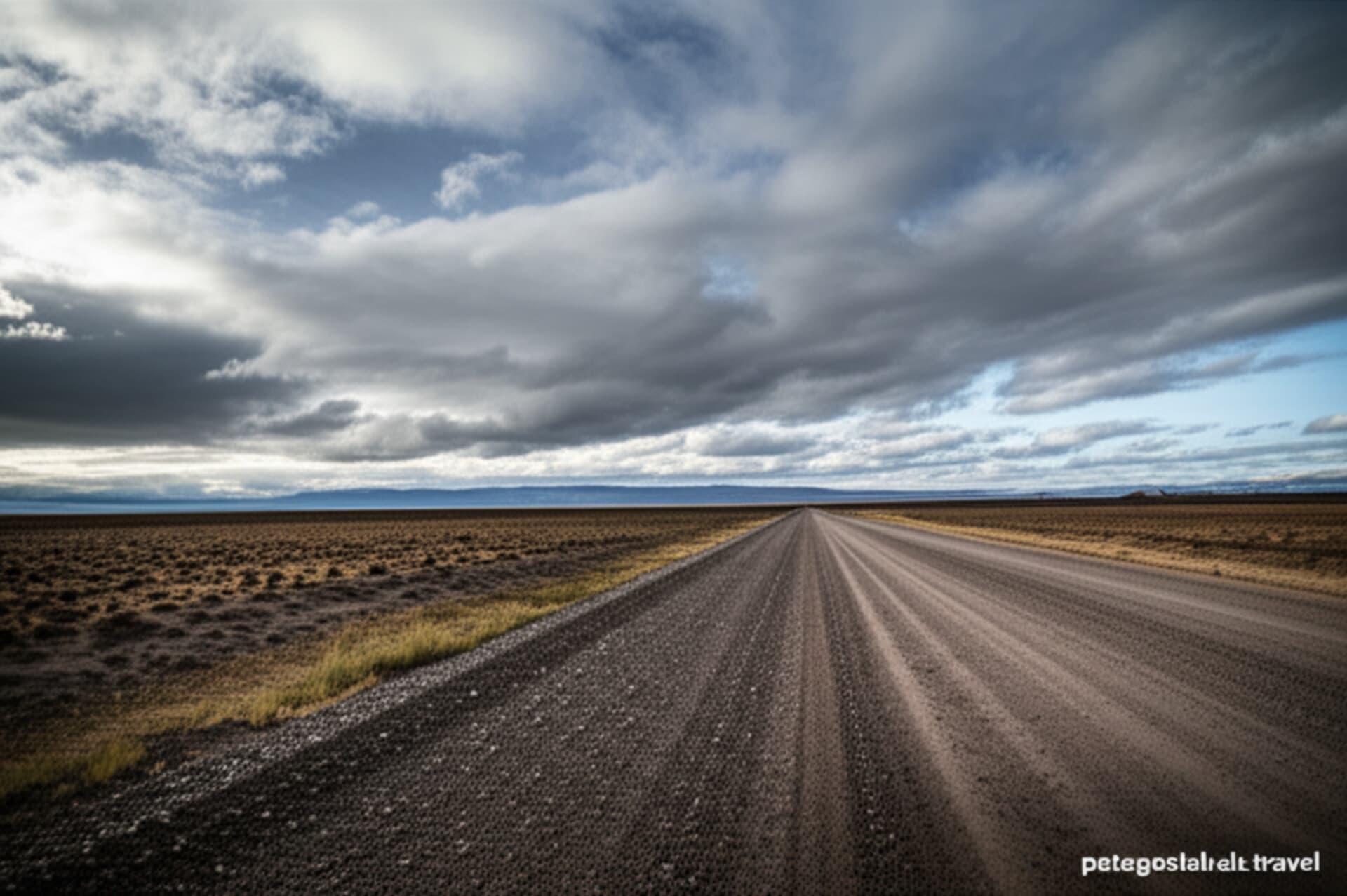
Create a focused photograph for a travel guide about emergency fuel situations in Patagonia. Show a remote gravel road in the Patagonian steppe with a car dashboard displaying a low fuel warning light. Dramatic clouds overhead. Style: Professional travel photography, high quality, 16:9 aspect ratio. No watermarks. Include subtle 'patagoniahub.travel' branding in the bottom right corner.
Related Guides
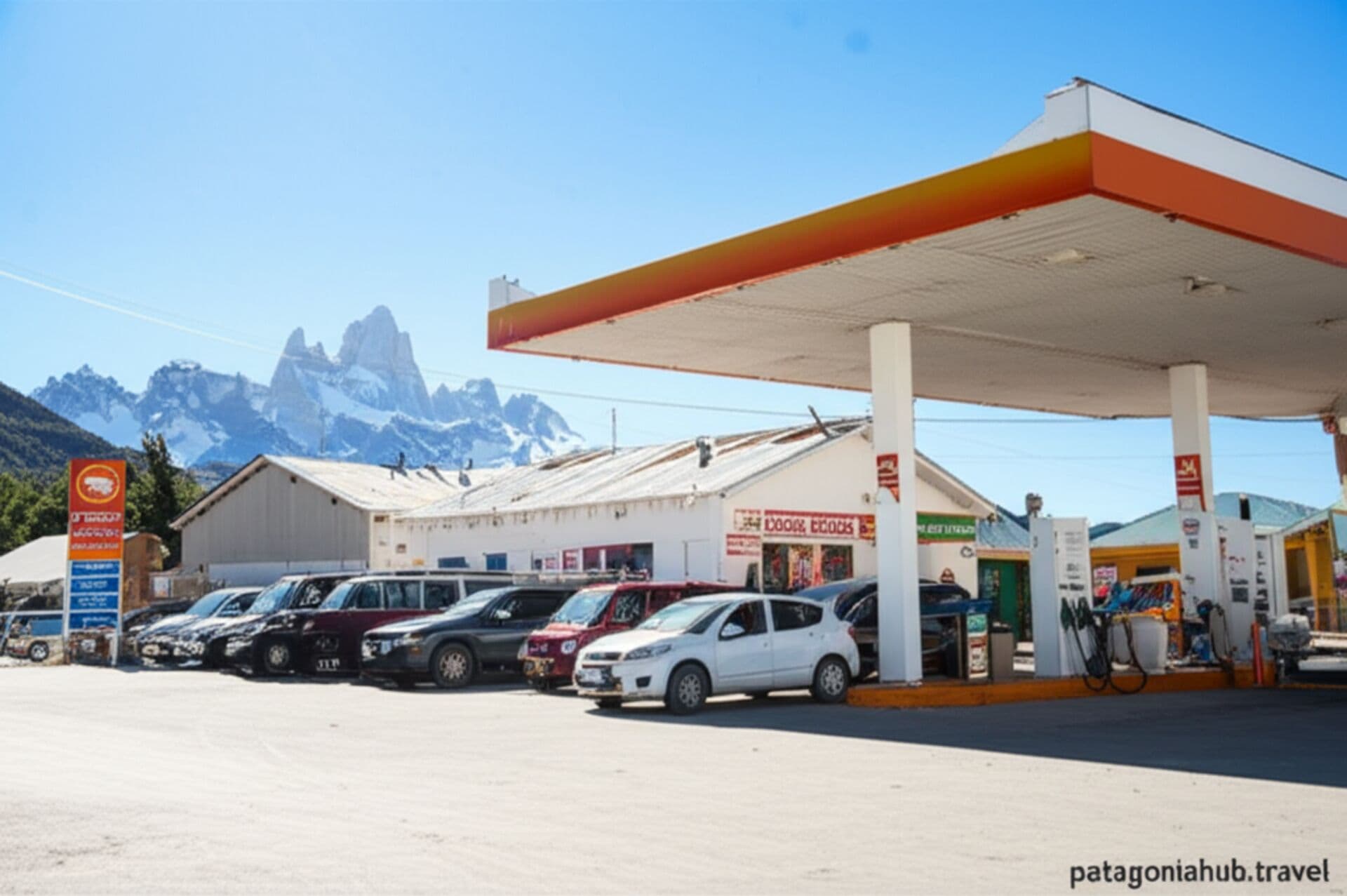
El Chalten Gas Station: The Remote YPF You Need to Know
Everything about fueling up in El Chalten, Argentina. Learn about the single YPF station, payment issues, long queues, and why you should fill up in El Calafate first.
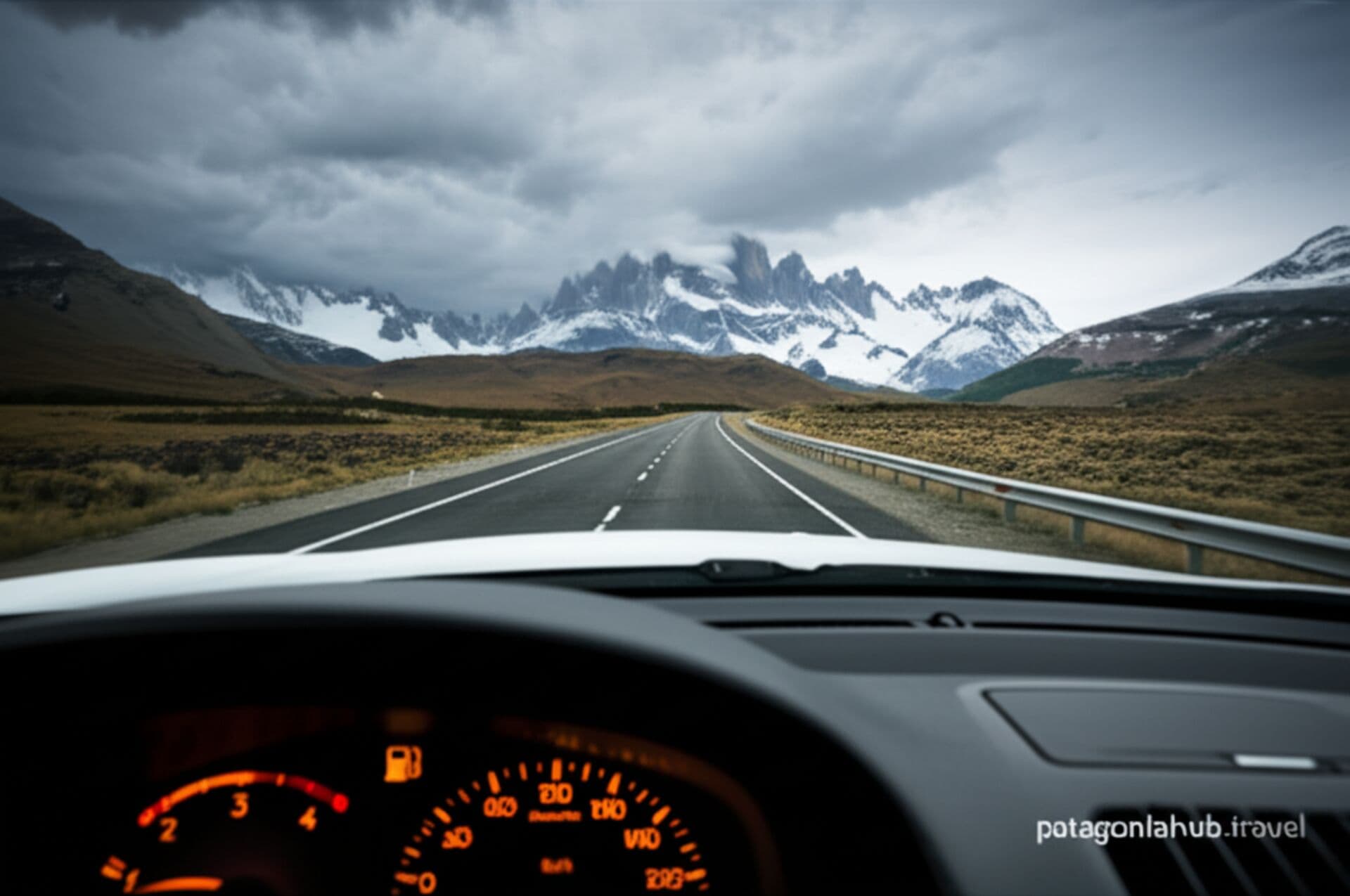
Torres del Paine Has No Gas Stations: What You Need to Know
Critical fuel planning for Torres del Paine National Park. Learn why there are no gas stations inside the park and exactly how to plan your fuel stops.
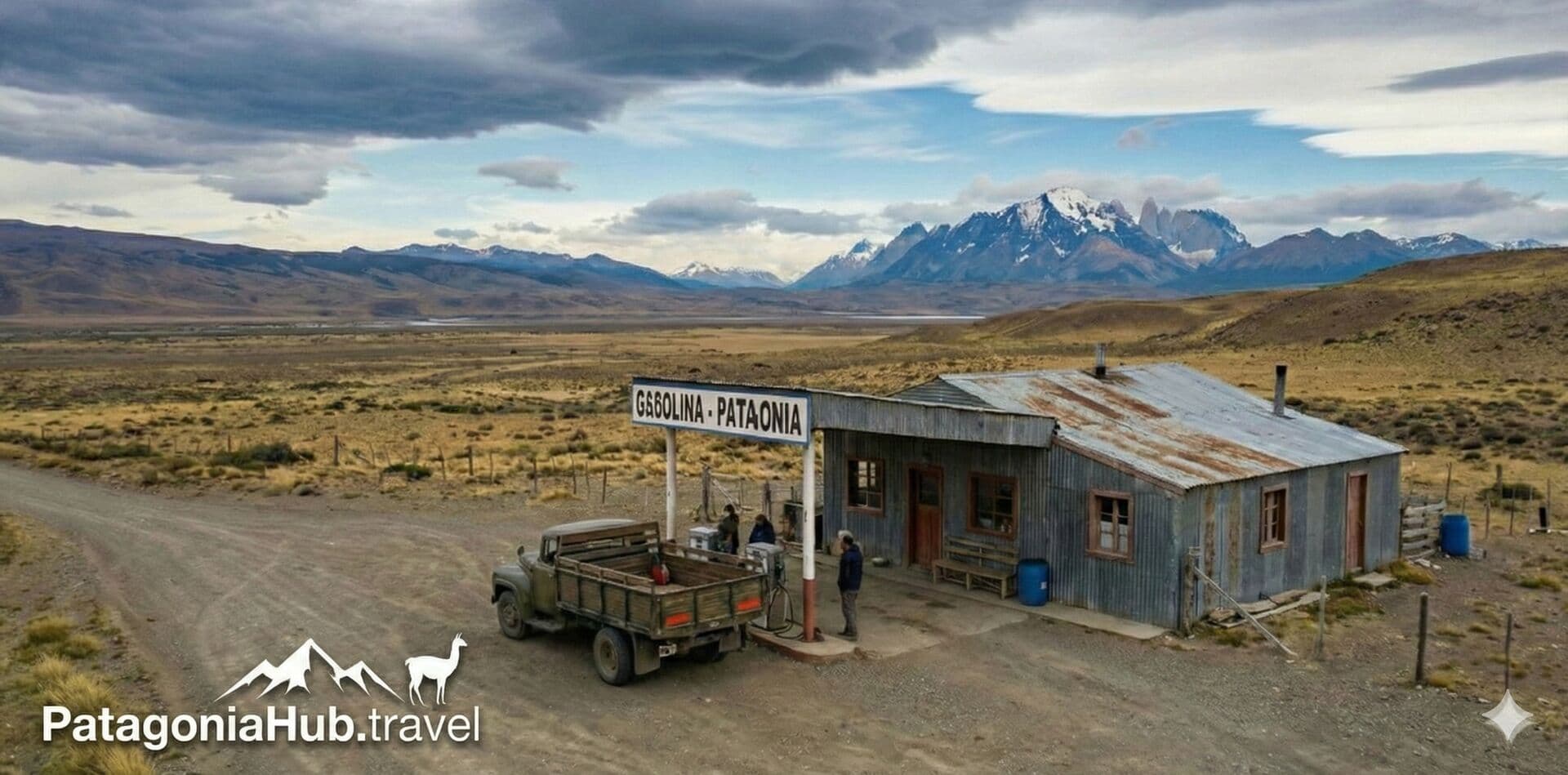
Complete Patagonia Gas Station Guide: Where to Fill Up
The essential fuel planning guide for Patagonia road trips. Find every gas station location, learn about fuel types, and avoid running empty in this remote region.