
Chile Food Restrictions at Border: What You Can't Bring (2026 Guide)
Complete guide to Chile's strict food import restrictions at border crossings. Learn what's prohibited (fruits, meat, dairy, seeds), allowed items, SAG inspection process, penalties ($200+ fines), and how to avoid confiscation when crossing from Argentina.

Chile's food import restrictions are among the most stringent in the world - and for good reason. The country's $5.8 billion fruit export industry depends entirely on preventing invasive agricultural pests from entering the country.
The key threats Chile is protecting against:
- Mediterranean fruit fly (Ceratitis capitata) - Devastating pest that attacks over 300 fruit and vegetable species
- Avocado seed weevil (Heilipus lauri) - Destroys avocado crops, Chile exports $500M+ in avocados annually
- Fruit tree diseases - Including citrus canker, fire blight, and various fungal infections
- Livestock diseases - Foot-and-mouth disease, swine fever, and avian influenza
The economic stakes: Chile is the world's largest exporter of cherries, fresh grapes, and plums. A single outbreak of Mediterranean fruit fly could cost the economy billions in lost export markets and years to eradicate.
For road trippers: This means that innocent mistake of leaving an Argentine apple in your car's cupholder can result in a $200+ fine and confiscation. The rules are absolute and enforced rigorously.
What Is SAG?
SAG (Servicio Agrícola y Ganadero) is Chile's agricultural and livestock service, equivalent to the USDA in the United States. At every Chile border crossing, SAG operates alongside immigration and customs as a separate, mandatory checkpoint.
SAG's role at borders:
- Inspect all vehicles entering Chile for prohibited agricultural items
- Operate X-ray scanners to detect organic materials
- Deploy trained detection dogs to sniff out fresh produce
- Confiscate prohibited items and issue fines
- Educate travelers about Chile's biosecurity laws
Important: You cannot skip the SAG checkpoint. Every vehicle must pass through SAG inspection, even if you declare "nothing to declare" at customs.
SENASA: Argentina's Counterpart
When leaving Argentina, you'll encounter SENASA (Servicio Nacional de Sanidad y Calidad Agroalimentaria), which has similar but less strict rules for items leaving the country.
Key difference: Argentina primarily restricts export of certain native plants and endangered species, while Chile prohibits ALL fresh agricultural products from entering.
Category 1: Fresh Fruits and Vegetables (100% Prohibited)
ALL fresh fruits and vegetables are prohibited without exception, including:
- Apples, oranges, grapes, berries, stone fruits
- Tomatoes, lettuce, peppers, onions, garlic
- Potatoes, sweet potatoes, carrots, celery
- Fresh herbs (cilantro, parsley, basil)
- Mushrooms (fresh)
- Sprouts and microgreens
This includes:
- Fruit purchased at Argentine gas stations "for the road"
- Vegetables from your Calafate supermarket trip
- Organic produce from El Chalten farmers markets
- Even partially consumed fruit (half-eaten apple)
Zero tolerance: It doesn't matter if the fruit is from Argentina, Chile originally, or another country. Once in Argentina, it cannot re-enter Chile as fresh produce.
Category 2: Fresh Meat and Poultry (100% Prohibited)
ALL fresh, frozen, and uncooked meat products are prohibited:
- Beef, pork, lamb, chicken, turkey
- Argentine asado leftovers (even cooked)
- Chorizo, morcilla, and fresh sausages
- Organ meats and offal
- Game meats (wild boar, guanaco)
- Raw or marinated meats
Special note on Argentine asado: Many travelers make the mistake of bringing leftover asado meat from El Calafate. Even fully cooked meat is prohibited because SAG cannot verify the origin or food safety standards.
Category 3: Fresh Dairy Products
Prohibited dairy items:
- Unpasteurized cheese (common in Argentine markets)
- Fresh milk, cream, yogurt
- Artisanal cheeses without commercial packaging
- Homemade dulce de leche
- Butter made from unpasteurized milk
Exception: Commercially packaged, pasteurized dairy products in sealed original packaging from recognized manufacturers are usually allowed.
Category 4: Seeds, Plants, and Honey
Strictly prohibited:
- All seeds (including those in dried fruits)
- Live plants, cuttings, bulbs, tubers
- Soil or items with soil attached
- Fresh flowers
- Raw honey and honeycomb
- Beeswax products (except cosmetics)
Why honey matters: Honey can carry American foulbrood disease, devastating to bee colonies. Chile's honey industry is a $45M export sector requiring protection.
Category 5: Other Animal Products
Also prohibited:
- Fresh fish and seafood (exceptions for commercially canned/sealed)
- Pet food containing meat or fish (unless hermetically sealed)
- Feathers, hides, wool (unprocessed)
- Animal specimens, taxidermy
- Biological samples
Commercially Packaged Foods (Generally Permitted)
Safe items to bring across the border:
- Sealed snacks: Chips, cookies, crackers, pretzels in original packaging
- Canned goods: Tuna, sardines, vegetables, soups (unopened cans only)
- Instant meals: Cup noodles, instant rice, dehydrated camping meals
- Beverages: Bottled water, sodas, juices in sealed containers
- Chocolate and candy: In original commercial packaging
- Dried packaged goods: Pasta, rice, quinoa (factory sealed)
- Coffee and tea: Commercial bags/tins (not loose leaf from markets)
- Condiments: Ketchup, mustard, mayonnaise (sealed bottles)
- Sealed dairy: UHT milk boxes, commercially packaged cheese
Key requirement: Items must be in original, sealed commercial packaging with visible brand labels. Homemade or repackaged foods are not allowed.
Processed Meats (Limited Exception)
Sometimes allowed IF:
- Hermetically sealed (vacuum-packed or canned)
- From a recognized commercial manufacturer
- Has clear ingredient list and origin labels
- Shelf-stable (not requiring refrigeration)
Examples: Vacuum-sealed chorizo from a supermarket, canned ham, shelf-stable salamis
Risky items: Even with packaging, fresh-looking sausages or deli meats may be confiscated. When in doubt, don't bring it.
Step 1: Approach the SAG Checkpoint
After completing immigration formalities, you'll proceed to the SAG inspection area. This is a separate building or designated zone with:
- Large X-ray machines for vehicles and luggage
- Inspection bays for manual searches
- Detection dogs on patrol
- Disposal bins for voluntary surrender
Timeline: SAG inspection adds 10-30 minutes to your border crossing, longer during high season.
Step 2: Declare Everything
You'll receive a declaration form asking if you're carrying:
- Fresh fruits or vegetables
- Meat or dairy products
- Plants or seeds
- Honey or bee products
- Other agricultural items
Critical rule: ALWAYS declare items even if you think they might be allowed. Declaring and having something confiscated results in zero penalty. Not declaring and being caught results in fines.
Step 3: X-Ray Scan
All vehicles pass through large X-ray scanners that detect organic materials. The technology can identify:
- Fruit in closed compartments
- Meat in coolers
- Seeds in luggage pockets
- Plant materials anywhere in the vehicle
Don't try to hide prohibited items. The X-ray will find them, and you'll face penalties instead of just confiscation.
Step 4: Manual Inspection (Random or Flagged)
If the X-ray shows suspicious items, or randomly, SAG officers will:
- Open your cooler and inspect contents
- Check the vehicle interior and trunk
- Look through grocery bags
- Verify commercial packaging on allowed items
Detection dogs: German Shepherds and Beagles trained to detect fruits, meats, and plants may sniff your vehicle. They're incredibly accurate.
Step 5: Confiscation or Clearance
If prohibited items are found:
- Declared items: Confiscated, no penalty, you proceed
- Undeclared items: Confiscated + fine + possible entry complications
If everything is compliant: You receive clearance and continue to Chilean customs.
Financial Penalties
| Violation | Fine Amount | Additional Consequences |
|---|---|---|
| First offense, undeclared prohibited items | 100,000 CLP (~$200) | Items confiscated, warning issued |
| Repeat violation (within 1 year) | 200,000-500,000 CLP | Possible entry denial, vehicle hold |
| Serious violation (large quantities) | 1,000,000+ CLP ($2,000) | Entry ban, investigation |
| Commercial smuggling | Criminal charges | Up to 3 years prison, heavy fines |
Currency note: Fines are issued in Chilean pesos (CLP). Exchange rates: 1 USD ≈ 500 CLP (varies).
Non-Financial Consequences
Entry complications:
- Vehicle holds: Your car may be detained for thorough inspection (1-3 hours)
- Documentation requirements: You may be required to sign declarations and acknowledgments
- Database records: Violations are recorded and can affect future crossings
Serious violations can result in:
- Entry denial: You may be turned back to Argentina
- Border bans: Temporary or permanent prohibition from entering Chile
- Criminal investigation: For large-scale violations suggesting commercial intent
Real Examples of Common Violations
Case 1: The Forgotten Apple
- Tourist had apple in car door pocket, forgot to declare
- X-ray detected, manual inspection confirmed
- Fine: 100,000 CLP ($200)
- Duration: 45 minutes to process fine and complete paperwork
Case 2: Argentine Asado Leftovers
- Family brought leftover grilled meat from Calafate in cooler
- Declared honestly, explained they didn't know the rule
- Result: Meat confiscated, no fine, received education materials
- Duration: 10 minutes
Case 3: Farmer's Market Produce
- Traveler brought organic vegetables from El Chalten market
- Not declared, detection dog alerted
- Fine: 150,000 CLP ($300) due to multiple items
- Duration: 1.5 hours for inspection and fine processing
The 24-Hour Rule
Best practice: Plan to consume all perishable food within 24 hours before crossing into Chile.
Day before crossing:
- Breakfast: Use up fresh fruits, yogurt, cheese
- Lunch: Finish vegetables, bread, deli meats
- Dinner: Cook remaining fresh meat, use up herbs
- Evening: Empty cooler completely, discard any remaining fresh items
Morning of crossing:
- Inspect vehicle thoroughly for forgotten items
- Check glove box, door pockets, seat pockets
- Empty cooler and store it dry
- Keep only commercially packaged, shelf-stable items
What to Keep for Your Trip
Safe items to pack for crossing:
- Sealed granola bars, energy bars
- Factory-packaged cookies, crackers
- Canned tuna, sardines (unopened)
- Instant coffee, tea bags (commercial)
- Sealed juice boxes or sodas
- Chocolate bars in wrappers
- Sealed nuts, dried fruit (check for seeds)
- Instant noodles, Cup Noodles
Pre-Crossing Meal Planning
Last meal in Argentina (El Calafate/Rio Turbio):
- Eat a large breakfast with fresh ingredients
- Buy only what you'll consume immediately
- Don't purchase "snacks for the road" that are fresh produce
- Fill up on Argentine steak - it can't cross anyway
First shopping in Chile:
- Wait until Puerto Natales or Punta Arenas
- Chilean supermarkets have excellent selection
- Prices comparable to Argentina for most items
Mistake #1: "It's Just One Apple"
The thinking: "SAG won't care about a single piece of fruit."
The reality: SAG cares about every single item. One apple can carry Mediterranean fruit fly larvae. The rules have zero exceptions for quantity.
Solution: Don't bring any fresh fruit, period. Eat it before reaching the border.
Mistake #2: Argentine Asado Leftovers
The thinking: "The meat is cooked, so it's safe and should be allowed."
The reality: Cooked meat can still carry diseases, and SAG cannot verify the source animal's health or processing standards.
Solution: Enjoy Argentine beef in Argentina. Chile has excellent beef too.
Mistake #3: Artisanal Cheese Souvenirs
The thinking: "This fancy cheese from El Calafate will be a great gift."
The reality: Unpasteurized artisanal cheeses are prohibited. Even pasteurized cheese without commercial packaging may be confiscated.
Solution: Buy cheese after entering Chile, or ensure Argentine cheese is factory-sealed and pasteurized.
Mistake #4: Hiding Items Because "X-Ray Won't See"
The thinking: "If I wrap it in foil or hide it deep in luggage, the scan won't detect it."
The reality: Modern X-ray scanners detect organic materials regardless of wrapping. Hiding items turns a simple confiscation into a fine-worthy violation.
Solution: Declare everything. Voluntary surrender has no penalty.
Mistake #5: Not Checking the Entire Vehicle
The thinking: "I checked the cooler, we're good."
The reality: Common hiding spots for forgotten items:
- Car door pockets and cupholders
- Glove compartment
- Seat back pockets
- Under seats
- Roof rack containers
- Reusable grocery bags
Solution: Do a complete vehicle sweep 1 hour before reaching the border.
Mistake #6: "But I Bought It In Chile Originally"
The thinking: "This fruit came from Chile, so I should be able to bring it back."
The reality: Once produce leaves Chile to Argentina, it's considered foreign and subject to all import restrictions.
Solution: Don't base decisions on origin, base them on current location (Argentina = prohibited).
Packing Strategies
1. Use Clear Storage:
- Clear plastic bags for snacks (easy for officers to inspect)
- Transparent containers for allowed items
- Keep receipts attached to commercial products
2. Separate Zones:
- Designate one bag/box for "border-safe" items
- Keep it in easy-to-access location
- Store away from areas that might have had produce
3. Cooler Management:
- Empty cooler 24 hours before crossing
- Clean it thoroughly (residue can attract dogs)
- If empty, leave it open during inspection
- Consider using soft-sided coolers (easier to empty fully)
During Inspection
1. Be Cooperative and Honest:
- Answer all questions directly
- Don't argue about rules (officers don't make them)
- Show receipts if asked
- Remain calm and polite
2. If You're Unsure About an Item:
- Point it out and ask the officer
- "I have [item], is this allowed?"
- Better to ask than risk violation
3. Language Barriers:
- Officers speak Spanish, limited English
- Use simple words: "fruta" (fruit), "carne" (meat), "queso" (cheese)
- Point to items rather than trying to explain
Documentation
Keep accessible during SAG inspection:
- Passport (not usually required but sometimes requested)
- Vehicle rental documents (to show you're a tourist)
- Receipts for commercial packaged items you're bringing
Note: Unlike customs, SAG typically doesn't require extensive documentation. Their focus is purely on agricultural items.
Traveling with Children
Baby food and formula:
- Commercially sealed baby food jars: ALLOWED
- Sealed formula powder: ALLOWED
- Fresh-cut fruit for baby: PROHIBITED
- Homemade baby food: PROHIBITED
Strategy: Bring enough sealed baby food for the border day, restock in Chile.
Camping and Trekking Food
For W Trek or other Chilean hiking:
- Dehydrated camping meals (sealed): ALLOWED
- Energy bars, trail mix (factory-sealed): ALLOWED
- Instant oatmeal packets: ALLOWED
- Fresh trail snacks: PROHIBITED
Plan: Stock up on fresh hiking snacks after entering Chile in Puerto Natales.
Prescription Medications and Supplements
Generally not SAG's concern, but:
- Keep medications in original labeled bottles
- Carry prescription if large quantities
- Herbal supplements may be questioned (have labels visible)
Pets and Pet Food
Pet food:
- Dry kibble (sealed bag): Usually ALLOWED
- Canned pet food (unopened): Usually ALLOWED
- Fresh meat pet food: PROHIBITED
- Homemade pet food: PROHIBITED
Note: You'll need separate pet import documents from SAG - this is beyond food restrictions (see Chile pet import regulations).
Where to Shop in Chile
Puerto Natales (first major town from Cancha Carrera crossing):
- Unimarc - Large supermarket, excellent selection
- Mayorista 10 - Wholesale prices, good for bulk
- Fresh markets - Local produce, excellent quality
Punta Arenas (if coming from Dorotea crossing):
- Lider - Walmart-owned, huge selection
- Jumbo - Large chain, good prices
- Santa María - Fresh produce and meats
Price Comparison: Argentina vs Chile
Generally similar prices for:
- Packaged snacks and cookies
- Beverages
- Canned goods
- Pasta and rice
Chile tends to be cheaper for:
- Fresh fruits (especially cherries, grapes, kiwis)
- Wine (excellent local wines)
- Seafood (salmon, mussels, sea bass)
Argentina tends to be cheaper for:
- Beef (but you can't bring it across anyway)
- Dulce de leche
- Yerba mate
Chilean Specialties Worth Buying
Once you're in Chile, don't miss:
- Merkén - Smoked chili seasoning (uniquely Chilean)
- Chilean wine - World-class, very affordable
- Fresh salmon - Chile is a top exporter
- Pisco - Chilean grape brandy
- Calafate berry products - Jams and liqueurs (ironic name, but from Chilean Patagonia)
Can I bring commercially packaged Argentine alfajores into Chile?
Yes. Alfajores in sealed commercial packaging are allowed. Keep the box sealed until after SAG inspection to show they're factory-packaged.
What about mate and yerba mate?
Loose leaf yerba mate from markets may be questioned. Factory-sealed commercial brands (Cruz de Malta, Taragui, etc.) in original packaging are allowed. Keep labels visible.
Can I bring spices and seasonings?
Commercially packaged dried spices in sealed containers are allowed. Avoid buying spices in bulk from markets (no packaging = confiscation risk). Fresh herbs are prohibited.
What happens to confiscated food?
Confiscated items are destroyed (incinerated or buried in special waste facilities) to prevent any risk of pest introduction. Nothing is donated or redistributed.
Can I eat my apple while waiting in line at the border?
Yes, absolutely. Many travelers eat their fresh fruit in the queue before reaching inspection. Just dispose of cores/peels in provided bins, don't bring them to inspection.
Do the same rules apply at airports?
Yes. SAG operates at all Chilean entry points including airports (Santiago, Puerto Montt, Punta Arenas). The prohibited items list is identical. Airport X-ray scanners are equally effective.
What if I declare items and the officer says they're allowed?
Follow the officer's guidance. SAG officers are trained professionals who make final determinations. If they approve an item after inspection, you're clear to proceed.
Are there any exceptions for medical dietary restrictions?
No exceptions for dietary restrictions regarding fresh produce and meat. However, you can bring specialized medical nutrition products if commercially packaged and sealed. Carry a doctor's note for unusual items.
The Golden Rules for Chile Border Food:
- Fresh = Prohibited - All fresh fruits, vegetables, meat, and dairy are banned
- Declare Everything - Voluntary declaration never results in fines
- Sealed Commercial = Usually OK - Factory packaging is your friend
- Finish Fresh Food Before Crossing - Eat it in Argentina, buy fresh again in Chile
- Check Everywhere - Forgotten items in door pockets cause most violations
- When Unsure, Ask - SAG officers will tell you if something is allowed
- Fines Start at $200 - The cost of non-compliance is high
- X-Rays Find Everything - Don't try to hide prohibited items
Final Advice:
Chile's food restrictions seem extreme until you understand the stakes: a $5.8 billion export industry and entire agricultural sectors at risk from invasive pests. The rules are non-negotiable and consistently enforced.
The good news? With proper planning, crossing into Chile is smooth and stress-free. Finish your fresh food the day before, pack only commercially sealed items, declare anything questionable, and you'll breeze through SAG inspection in 15 minutes.
When in doubt, remember: Chile would rather you throw away a $2 apple than risk a $2 million fruit fly outbreak.
Safe travels, and enjoy the incredible food scene waiting for you in Chilean Patagonia!
Frequently Asked Questions
Can I bring any fresh food into Chile from Argentina?
No. ALL fresh fruits, vegetables, meat, and dairy products are strictly prohibited from entering Chile, regardless of quantity or origin. This includes items purchased in Argentina just hours before crossing. Chile's phytosanitary laws have zero tolerance for fresh produce to protect against agricultural pests.
What happens if I forget an apple in my backpack at the Chile border?
If you declare it voluntarily, the item will be confiscated but you'll face no penalty. If the SAG X-ray or inspection dog finds an undeclared item, you'll receive a fine starting at $200 USD (100,000 CLP) and potentially face entry denial. Always declare everything, even if you forgot about it.
Can I bring sealed snacks and packaged food into Chile?
Yes. Commercially packaged, sealed food products in their original packaging are generally allowed. This includes chips, cookies, canned goods, instant noodles, chocolate bars, and sealed beverages. Keep receipts to prove items are commercially produced, not homemade.
What is SAG and why is Chile so strict about food?
SAG (Servicio Agrícola y Ganadero) is Chile's agricultural and livestock service that protects the country from invasive pests like the Mediterranean fruit fly and avocado seed weevil. Chile's fruit export industry is worth $5.8 billion annually, making biosecurity absolutely critical to the national economy.
What are the fines for bringing prohibited food into Chile?
First offense fines start at $200 USD (100,000 CLP) for undeclared prohibited items. Repeat violations can result in fines up to $2,000 USD, vehicle confiscation, and entry bans. Commercial smuggling of agricultural products can result in criminal charges with prison sentences up to 3 years.
Image Generation Prompt
Create a professional photograph showing a Chile border checkpoint SAG inspection area with a customs officer in official uniform inspecting a cooler filled with fresh produce that must be discarded. The scene shows warning signs about prohibited items (fruits, vegetables, meat) in Spanish. In the background, a modern car waits at the border post with Patagonian mountains visible. Style: Documentary-style travel photography with natural lighting, 16:9 aspect ratio. Include subtle 'patagoniahub.travel' branding in the bottom right corner.
Related Guides
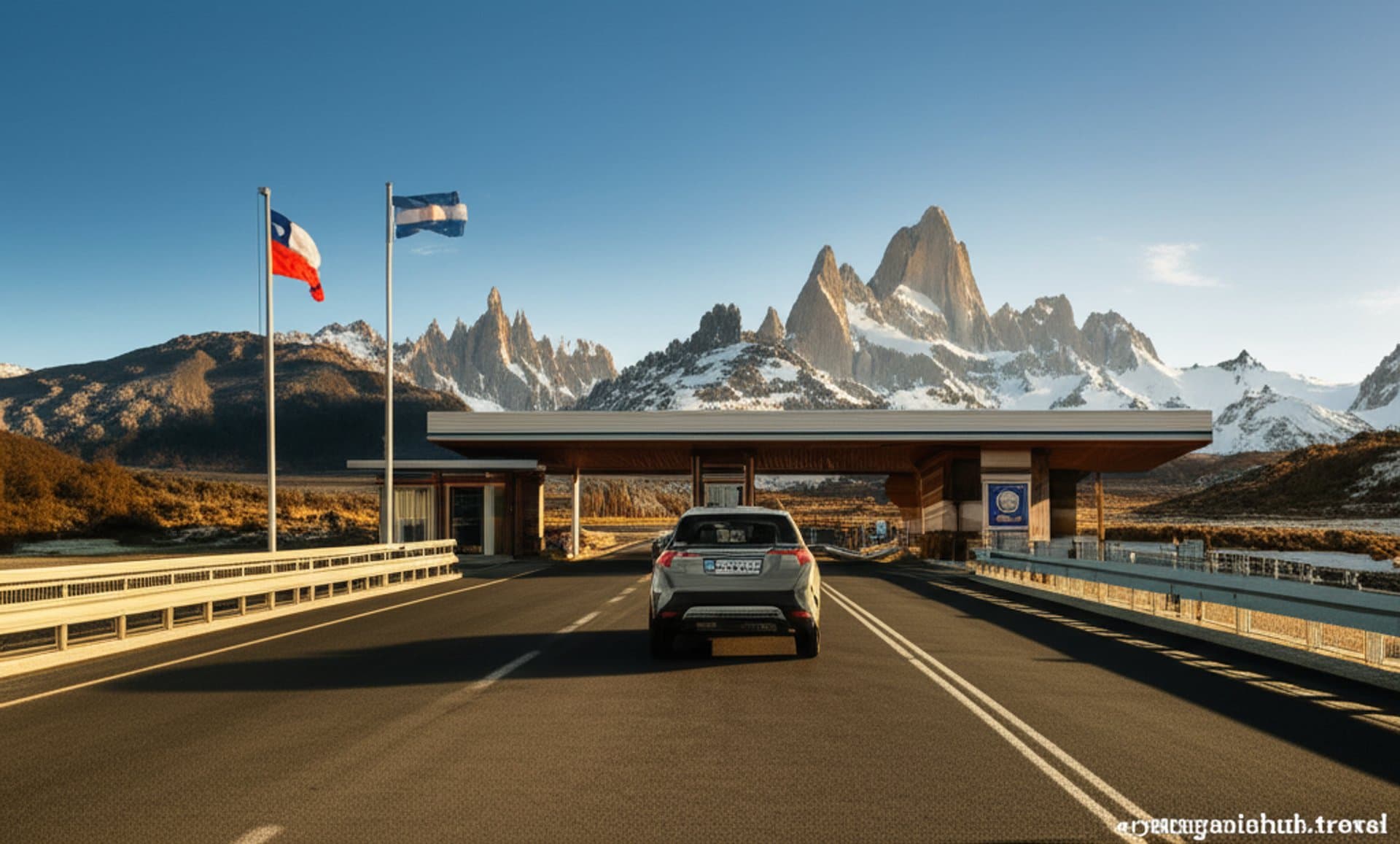
Chile-Argentina Border Crossing by Car: Complete Guide for Self-Drivers
Everything you need to know about crossing the Chile-Argentina border by car in Patagonia. From permits and documentation to wait times, food restrictions, and step-by-step procedures - your complete 2026 guide.
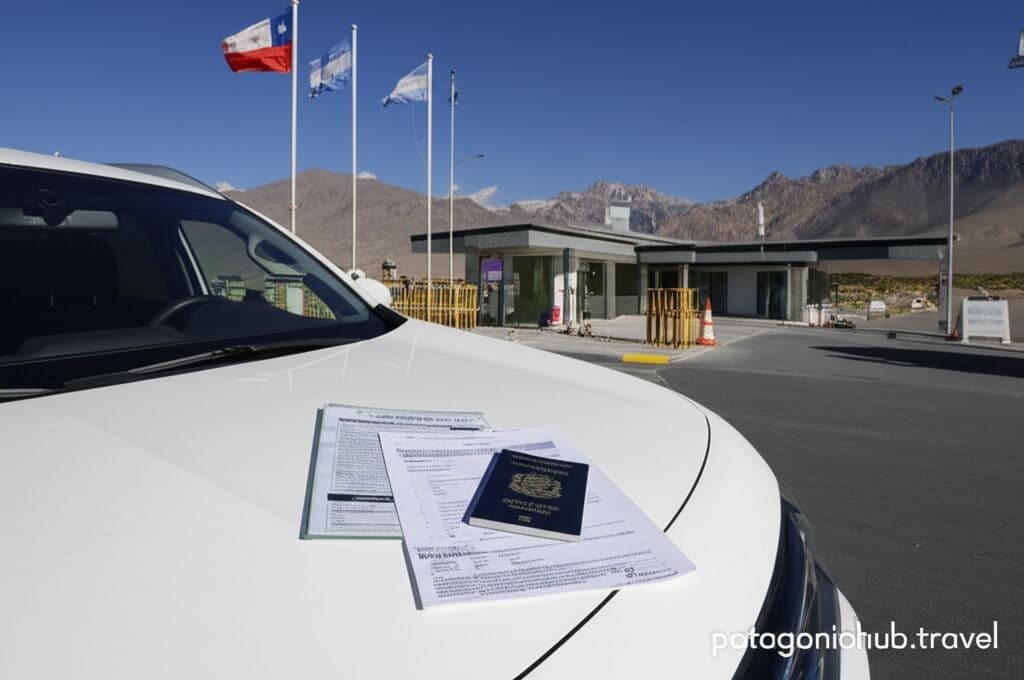
Border Crossing Permits for Rental Cars: Complete Documentation Guide
Complete guide to border crossing permits for rental cars in Patagonia. Learn about Poder Notarial requirements, costs ($80-$200), processing times (10-14 days), insurance, and essential documents needed to cross Chile-Argentina borders.
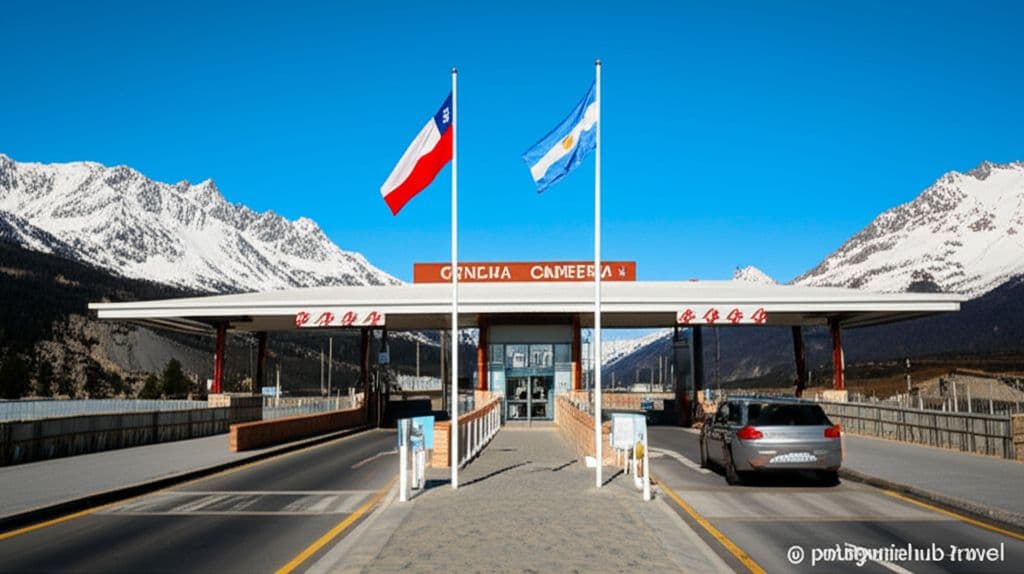
Cancha Carrera Border Crossing: Complete Step-by-Step Guide 2026
Detailed walkthrough of the Cancha Carrera / Río Turbio border crossing between Puerto Natales and El Calafate. Step-by-step procedures, documents, timings, and tips to cross smoothly.