Best Photography Spots in Perito Moreno Glacier
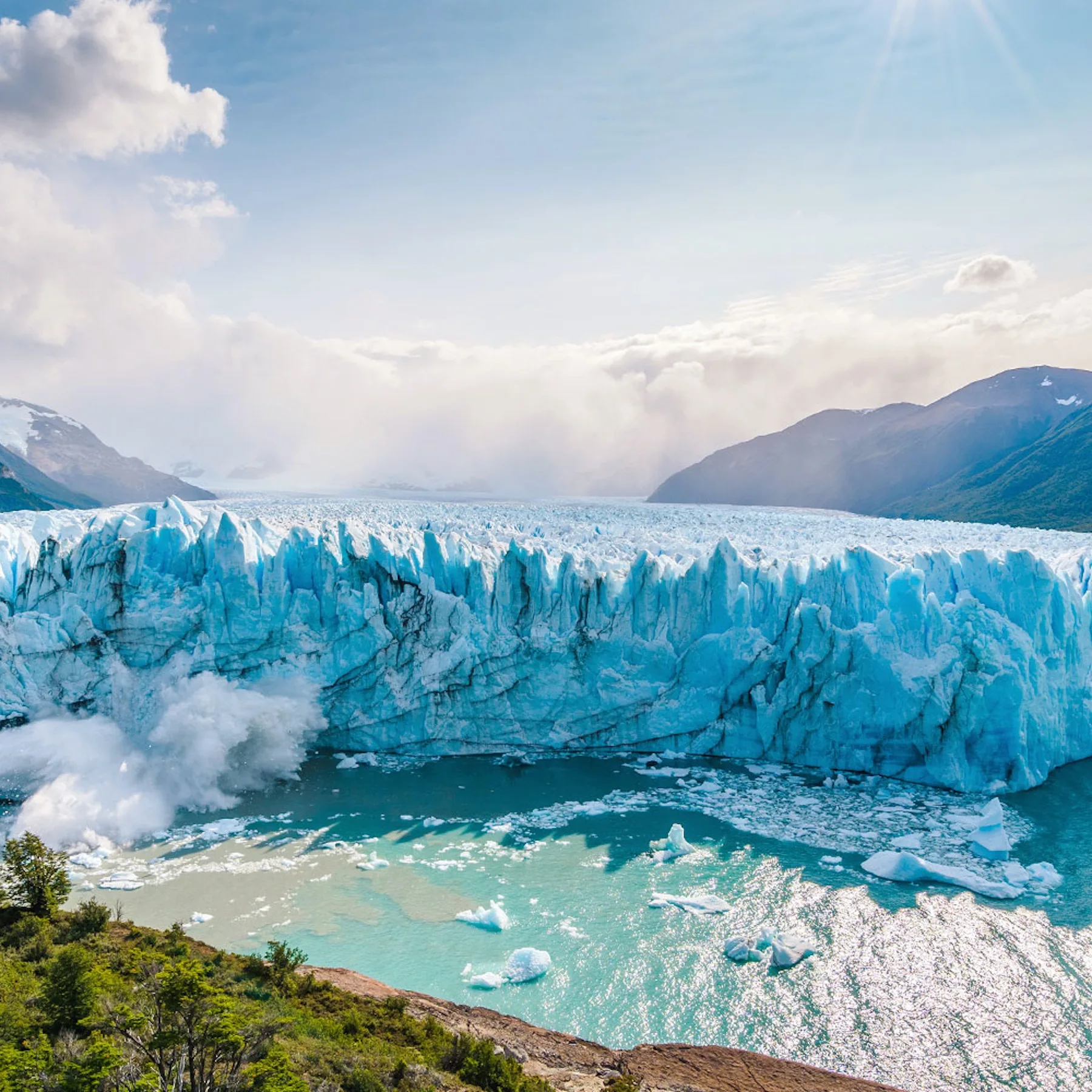
The Perito Moreno Glacier, a colossal ice formation in Argentine Patagonia, is a photographer's dream. Its constantly calving ice walls, vibrant blue hues, and dramatic landscapes offer unparalleled opportunities to capture the raw power and immense beauty of nature. From panoramic boardwalk views to boat-level perspectives, every angle reveals a new photographic masterpiece.
8 min readUpdated for 2025–2026 SeasonNestled within Los Glaciares National Park, the Perito Moreno Glacier stands as one of the world's most dynamic and accessible glaciers. Unlike many receding glaciers, Perito Moreno is known for its continuous advance, leading to spectacular ruptures of ice. This guide will help you navigate the best photographic vantage points, from the extensive network of boardwalks to exclusive boat tours, ensuring you capture the sheer scale and captivating details of this natural wonder. A rental car is paramount for flexible access to the park and surrounding areas, allowing you to chase the best light and explore beyond the main visitor hubs, truly unlocking the photographic potential of this Patagonian gem.
Photography Spots
Main Boardwalks - Lower Perspective
Best Time: Mid-day to late afternoon for strong blues and calvings, but also beautiful at golden hour if you arrive early and stay late.
Best Season: Spring (Oct-Nov) and Autumn (Mar-Apr) for fewer crowds and good light. Summer (Dec-Feb) for warmest weather and highest calving frequency.
Getting There: Drive your rental car directly to the main parking lot of Los Glaciares National Park. From there, follow the clearly marked paths to the lower circuit of boardwalks. This is the most accessible viewpoint.
Use a wide-angle lens to capture the scale. Bring a telephoto for details of ice texture and calving action. A polarizing filter will enhance blue hues and reduce glare.
Main Boardwalks - Panoramic View
Best Time: Morning for dramatic shadows and fewer people. Also excellent for sunset if permitted, offering warm light on the ice.
Best Season: Year-round, but shoulder seasons (spring/autumn) offer the most pleasant weather for extended outdoor photography.
Getting There: Access via the same main parking lot. The upper circuit of boardwalks provides elevated perspectives looking down upon the glacier and its entire front wall.
A panoramic stitch might be useful here to capture the immense width. Look for opportunities to frame the glacier with foreground elements like trees or distant mountains.
Boat Tour - Glacier Frontal View
Best Time: Varies by tour schedule, but aim for mid-morning or early afternoon for bright, clear views of the ice and potential calving.
Best Season: Summer (Dec-Feb) offers the calmest waters and highest chances of experiencing large ice calvings.
Getting There: Drive your rental car to the Bajo de las Sombras port (located before the main glacier entrance). Tickets must be purchased in advance.
Be prepared for spray! Protect your camera. A medium telephoto lens (e.g., 70-200mm) is ideal for isolating sections of the ice wall and capturing calving events. Use a fast shutter speed to freeze ice splashes.
Glacier Ice Trekking
Best Time: Early morning tours offer fresh light and fewer reflections on the ice.
Best Season: September to April when tours operate and weather is most stable.
Getting There: Requires booking with an authorized tour operator (e.g., Hielo & Aventura). You'll typically drive your rental car to the Bajo de las Sombras port, where you'll cross by boat to the glacier's edge.
Pack light but bring essentials. Wide-angle for vast ice fields, and a telephoto for unique ice formations and blue crevasses. Be mindful of moisture and changing light. You'll be walking on ice with crampons.
Lago Argentino Panoramic
Best Time: Sunset for stunning colors over the lake, or clear nights for stargazing and Milky Way photography (far from city lights).
Best Season: Any clear night for night sky; Spring/Autumn for beautiful sunsets without extreme heat/cold.
Getting There: Easily accessible by rental car from El Calafate. Drive along the scenic Route 11 towards the glacier, stopping at various points along the lake.
For night sky, a wide-angle lens with a large aperture is crucial. Use a sturdy tripod. Experiment with long exposures to smooth the water for sunset shots. The lake often has pieces of ice from the glacier.
Glaciar Spegazzini & Upsala Vista
Best Time: All day, as the boat tours typically cover several hours. Early morning can have calm waters and mist, while mid-day provides bright views.
Best Season: Primarily during the summer months (Oct-Apr) when these full-day boat excursions are most frequent.
Getting There: This requires booking a full-day boat tour from Puerto Bandera, which is a short drive (approx 45-60 min) from El Calafate via your rental car.
A telephoto lens is essential for capturing the distant glaciers, icebergs, and mountain details. Bring extra batteries, as these tours are long.
Rent a Car in Patagonia
Browse Car RentalsGear Recommendations
Wide-Angle Lens (14-24mm or similar)
Essential for capturing the immense scale of the glacier, vast landscapes, and for night sky photography over Lago Argentino.
Telephoto Lens (70-200mm or 100-400mm)
Crucial for isolating sections of the ice wall, capturing calving events up close (especially from boat tours), and detailing distant mountains or wildlife.
Sturdy Tripod
For sharp long exposures, particularly during golden/blue hour, sunrise/sunset, and for stable night sky shots. Also useful for panoramas.
Polarizing Filter
Reduces glare on water and ice, deepens the blue of the sky and the glacier, and enhances contrast.
Weather-Sealed Camera Body & Lenses
Patagonia's weather is unpredictable with strong winds, rain, and mist. Protection against the elements is vital to prevent damage.
Extra Batteries & Power Bank
Cold weather drains batteries faster, and long days of shooting (especially with boat tours or treks) require ample power.
Lens Cloths & Blower
Essential for cleaning spray, dust, or condensation from your lenses, ensuring clear shots in a sometimes harsh environment.
Best Light
Perito Moreno offers spectacular light at various times. Golden hour, shortly after sunrise and before sunset, casts a warm, soft glow that beautifully contrasts with the glacier's cool blues and highlights its rugged textures. This is an ideal time for capturing the sheer scale and dramatic form from the boardwalks. Blue hour, the period just before sunrise and after sunset, bathes the entire scene in a deep, ethereal blue, perfect for moody landscape shots and emphasizing the glacier's natural icy hues. During mid-day, especially with clear skies, the sun intensely illuminates the ice, making the blues appear exceptionally vibrant, though reflections can be strong.
Weather Considerations
Patagonia's weather is famously capricious and can change rapidly. Expect strong winds year-round, which can make handheld photography challenging and require a sturdy tripod. Rain and mist are common, especially outside the peak summer months. Always dress in layers and carry waterproof gear for yourself and your camera equipment. Be prepared for temperature fluctuations, from mild to near-freezing, even in summer. High winds can also affect boat tours, sometimes leading to cancellations or choppier waters.
Rent a Car in Patagonia
Explore this destination at your own pace. Find the perfect rental car for your Patagonia adventure.
Explore more: Perito Moreno Glacier
📸 More Photo Spots
Explore More
Discover more guides and resources for this destination
Destination Guide
Planning
Best Time to Visit
Best Time to Visit Perito Moreno Glacier 2026 — Month-by-Month Guide
How to Get There
How to Get to Perito Moreno Glacier 2026 — Flights, Driving & Transport
Budget Guide
Perito Moreno Glacier on a Budget 2026 — Costs, Tips & Money-Saving Guide
Seasonal Guide
Autumn in Perito Moreno Glacier 2026 — Weather, Activities & Tips
Seasonal Guide
Spring in Perito Moreno Glacier 2026 — Weather, Activities & Tips
Seasonal Guide
Summer in Perito Moreno Glacier 2026 — Weather, Activities & Tips
Seasonal Guide
Winter in Perito Moreno Glacier 2026 — Weather, Activities & Tips
Travel Tips
Essential Travel Tips for Perito Moreno Glacier (2026)
Where to Stay
Where to Stay in Perito Moreno Glacier (2026) — Neighborhoods & Hotels
Weather & Climate
Perito Moreno Glacier Weather Guide (2026) — Monthly Climate, Temperatures & Best Time
Adventures
Activities
Boat Tours in Perito Moreno Glacier 2026 — Best Spots, Tips & What to Expect
Activities
Glacier Trekking in Perito Moreno Glacier 2026 — Best Spots, Tips & What to Expect
Activities
Photography in Perito Moreno Glacier 2026 — Best Spots, Tips & What to Expect
Camping Guide
Camping in Perito Moreno Glacier 2026 — Campsites, Tips & Gear Guide
Day Trips
Best Day Trips from Perito Moreno Glacier 2026 — Distances & Driving Guide
Hidden Gems
Hidden Gems in Perito Moreno Glacier (2026) — Secret Spots & Local Tips
Family Guide
Family Travel Guide to Perito Moreno Glacier (2026) — Kid-Friendly Tips
Hiking Trails
Hiking Trails in Perito Moreno Glacier (2026) — Best Hikes, Difficulty & Maps
Road Trips
Car Rental
Car Rental in Perito Moreno Glacier 2026 — Prices, Tips & Road Guide
Road Conditions
Road Conditions in Perito Moreno Glacier (2026) — Driving Guide & Fuel Stations
Driving Routes
Driving from El Calafate to Perito Moreno Glacier 2026 — Road Guide, Distance & Tips
Driving Routes
Driving from Perito Moreno Glacier to El Chaltén 2026 — Road Guide, Distance & Tips
Road Trip Itineraries
10-Day Patagonia Glaciers & Peaks — Epic Road Trip Itinerary 2026
Road Trip Itineraries
14-Day Complete Patagonia Road Trip — Complete Itinerary 2026
Road Trip Itineraries
3-Day El Calafate Glacier Express — Complete Itinerary 2026
Road Trip Itineraries
7-Day Photography Masterclass Patagonia — Photo Trip Itinerary 2026
Road Trip Itineraries
7-Day Torres del Paine & El Calafate Road Trip — Complete Itinerary 2026
Compare
Destination Comparison
Marble Caves vs Perito Moreno Glacier 2026 — Which Is Better for You?
Destination Comparison
Perito Moreno Glacier vs Grey Glacier (Torres del Paine) 2026 — Which Is Better for You?
Destination Comparison
San Rafael Lagoon vs Perito Moreno Glacier 2026 — Which Is Better for You?
Destination Comparison
Torres del Paine vs Perito Moreno Glacier 2026 — Which Is Better for You?
Explore More Guides
View all →Best Photography Spots in Aluminé 2026 — Locations & Tips
Best Photography Spots in Carretera Austral 2026 — Locations & Tips
Best Photography Spots in Caviahue-Copahue 2026 — Locations & Tips
Best Photography Spots in Cerro Castillo National Park 2026 — Locations & Tips
Best Photography Spots in Chaitén 2026 — Locations & Tips
Best Photography Spots in Chile Chico 2026 — Locations & Tips
Frequently Asked Questions
Is a tripod allowed on the boardwalks?
Yes, tripods are generally allowed on the boardwalks, but be mindful of other visitors as space can sometimes be limited, especially during peak hours.
Can I fly a drone at Perito Moreno Glacier?
No, drone flights are strictly prohibited within Los Glaciares National Park to protect wildlife and ensure visitor safety.
What's the best time of year to photograph Perito Moreno Glacier?
The shoulder seasons (spring: October-November, autumn: March-April) offer pleasant weather, fewer crowds, and beautiful light. Summer (December-February) has the warmest temperatures and highest calving frequency but also the most visitors.
Are there any fees to enter Los Glaciares National Park?
Yes, there is an entrance fee to Los Glaciares National Park, payable in Argentinian Pesos. Keep your ticket if you plan to re-enter the following day, as a discount might apply.
Is it safe to approach the glacier's edge for photography?
Access to the glacier is restricted to designated boardwalks and authorized guided tours (like Minitrekking). It is extremely dangerous and strictly forbidden to approach the glacier's edge independently due to unstable ice.
What camera settings are best for capturing calving ice?
Use a fast shutter speed (e.g., 1/1000s or faster) to freeze the action of falling ice and splashing water. A medium aperture (f/8-f/11) will ensure good depth of field, and set your ISO appropriately for the light conditions.
What kind of clothing should I wear for photography?
Layered clothing is key, including a waterproof and windproof outer shell, warm mid-layers, and a hat and gloves. Sturdy, waterproof hiking boots are also highly recommended.